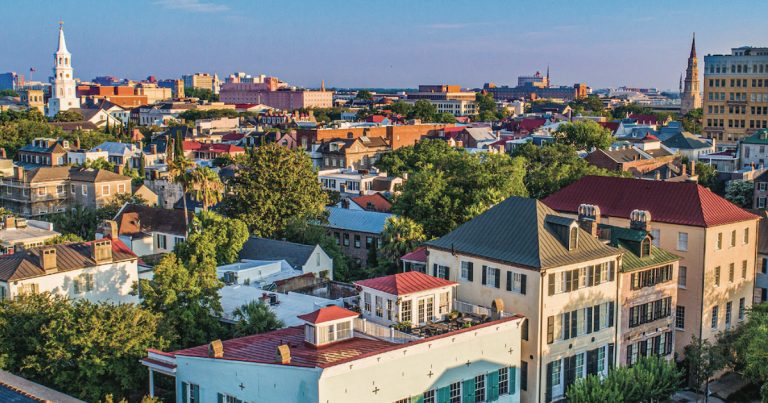
Charleston Technology Corridor
The Charleston Technology Corridor is not a clean-lined office park that arrived with a naming consultant and a valet stand. It grew out of older industrial streets, warehouse buildings, truck routes, repair shops, and the upper peninsula’s long habit of making useful things happen slightly away from the postcard.
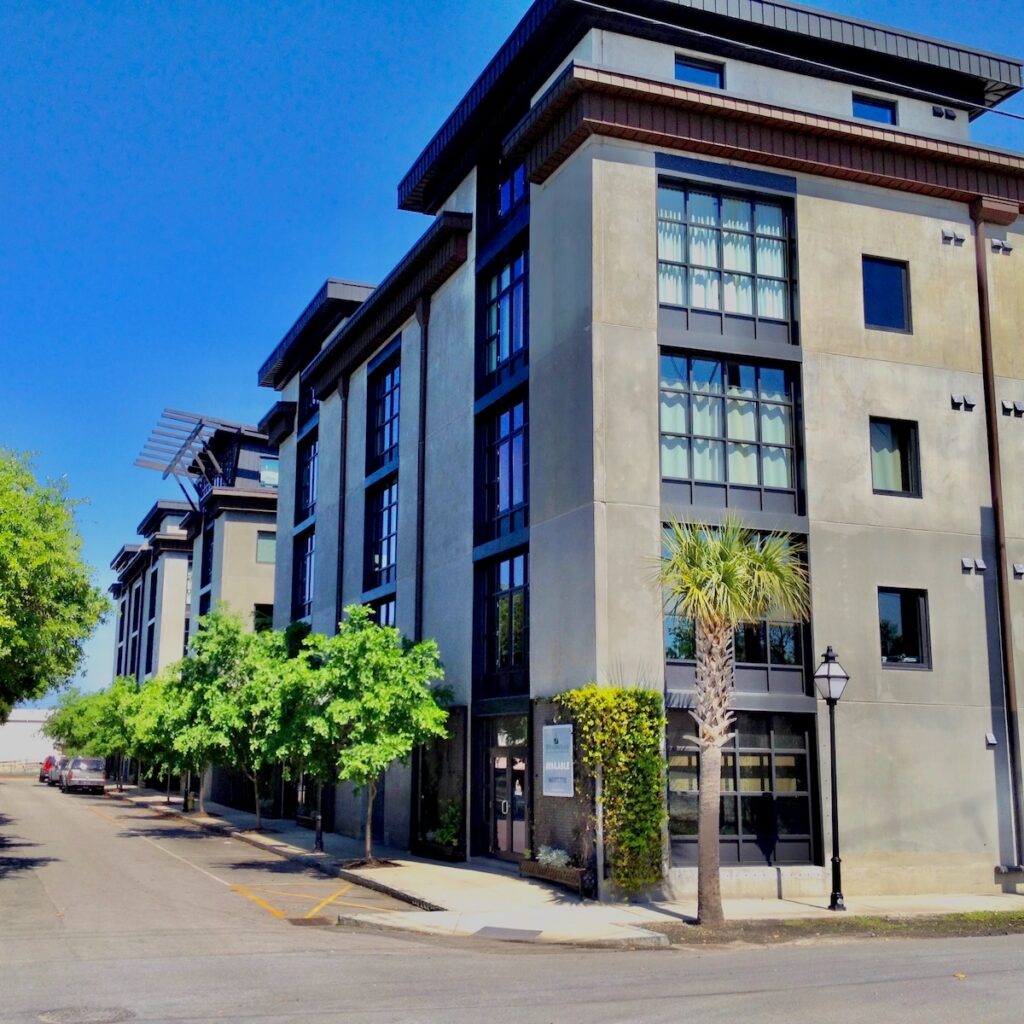
That older fabric did not disappear. It was repurposed. Offices moved into renovated buildings. Breweries and restaurants filled in former industrial spaces. Apartments and condos followed. Charleston Digital and the Charleston Tech Center gave the area a more formal technology identity, and Morrison Drive became one of the clearest places to watch the collision of Charleston’s growth pressure, adaptive reuse, and housing demand.
- Core geography: Morrison Drive, Meeting Street, North Morrison, and the upper peninsula north of the older downtown core.
- Technology anchors: Charleston Digital, Charleston Tech Center, Flagship workspace, and nearby tech-adjacent offices.
- Housing question: whether proximity, route quality, parking, flood exposure, and daily-life fit make the location worth the tradeoff.
How the Corridor Happened
The upper peninsula has always been more complicated than the brochure version of Charleston. This is where historic residential fabric gave way to port activity, rail lines, warehouse buildings, service businesses, and the practical infrastructure that made the prettier parts of town possible. It was useful long before it was fashionable.
That usefulness is why the area could change without being scraped clean. Old industrial buildings offered large floor plates, flexible interiors, and enough architectural character to make adaptive reuse feel plausible. The result is not a polished technology campus. It is a working district that gradually absorbed offices, restaurants, breweries, apartments, condos, and the occasional chain-link fence that keeps everyone honest.
Charleston Digital gives the corridor an institutional spine: not Silicon Valley cosplay, but a local effort to build a business, education, workspace, and social environment for technology companies and the people around them. The Charleston Tech Center and Flagship workspace made that effort more visible by giving the ecosystem a physical Morrison Drive address. Abstract economic-development language is much easier to believe when there is an actual building involved.
The upper peninsula is also changing within a broader planning context. City planning and zoning have treated this part of Charleston as a place where redevelopment is expected, but not free from neighborhood, drainage, access, and design consequences. That tension is the point. The corridor is attractive because it is changing; it is complicated for the exact same reason.
The Technology Corridor did not replace old Charleston with new Charleston. It layered new uses onto an older industrial landscape, which is why the area still feels transitional, uneven, and interesting.
Geography of the Corridor
The Technology Corridor is usually understood around Morrison Drive, Meeting Street, and the North Morrison / NoMo portion of the upper peninsula. It sits close to the Ravenel Bridge, not far from the older downtown core, and near a collection of residential edges that do not all behave the same way.
A condo beside Morrison Drive, a house in North Central, an apartment closer to Romney Street, and a home across the bridge in inner Mount Pleasant may all serve the same buyer need in different ways. The map should explain those relationships rather than merely prove that Charleston contains streets.
Technology anchors
Charleston Digital, Charleston Tech Center, Flagship workspace, startup offices, and tech-adjacent businesses clustered around Morrison Drive.
Residential edges
One Cool Blow, nearby apartments and condos, North Central, Eastside edges, Hampton Park adjacency, and other upper-peninsula options.
Daily-life gravity
Restaurants, breweries, gyms, coffee, music, bridge access, and the small businesses that keep the district from feeling like an office park with better lighting.
Buyer filters
Route quality, parking, flood exposure, noise, construction, building type, and whether the surrounding block fits your actual routine.
The corridor’s appeal is partly geography. Morrison Drive sits close to bridge access, downtown, restaurants, breweries, offices, and newer multifamily housing. The question is not whether the area is close to things. It is whether the route, parking, drainage, and block-by-block feel work for the way someone actually lives.
Housing Tradeoffs Near the Tech Corridor
The housing conversation around the Technology Corridor should not begin and end with “can I walk to Morrison Drive?” Sometimes that is exactly the right question. Sometimes it is the wrong one wearing comfortable shoes.
The better framework is living circumstance: directly inside the corridor, nearby on the peninsula, or in another close-in area that still works for a Charleston tech or knowledge-economy commute. Each version offers a different balance of convenience, price, space, parking, flood exposure, neighborhood feel, and tolerance for the upper peninsula’s ongoing habit of becoming several things at once.
Inside the corridor
One Cool Blow, loft-style condos, newer apartments, and housing close to Morrison Drive. This appeals to buyers who value proximity, restaurants, breweries, and an urban rhythm over quiet polish.
Nearby peninsula neighborhoods
North Central, Eastside edges, Hampton Park adjacency, Wagener Terrace proximity, and other upper-peninsula pockets can offer a more residential feel while keeping the corridor close.
Close-in alternatives
Park Circle, inner Mount Pleasant, inner West Ashley, and inner James Island can all make sense depending on budget, commute pattern, school needs, space, and tolerance for bridges.
The actual tradeoff
The closer you get to the corridor, the more you are buying access and energy. As you move outward, you may gain space, quiet, yard, parking, or school-zone options. Neither choice is morally superior. One is just more likely to fit your Tuesday.
Flood risk near Morrison Drive should be evaluated at the property and block level. FEMA maps matter, but so do elevation, drainage paths, garage or ground-floor use, stormwater infrastructure, insurance, and what nearby streets do during heavy rain. Charleston has many ways to make water a real estate issue. Most are not improved by pretending the map answered everything.
- Parking and access: ask how daily parking actually works, not just whether parking technically exists.
- Construction and change: nearby redevelopment can improve long-term amenities while making short-term life messy.
- Neighborhood pressure: redevelopment can sharpen affordability and displacement concerns. A useful guide should acknowledge that without pretending every buyer is responsible for solving regional housing policy before breakfast.
Home for Sale near the Charleston Tech Corridor