The point is to make the decision clearer.
Some people come to me with a detailed plan. Others have a broad question, a search that has stopped being useful, or a possible sale that has not yet become a plan. Any of those is a reasonable place to begin.
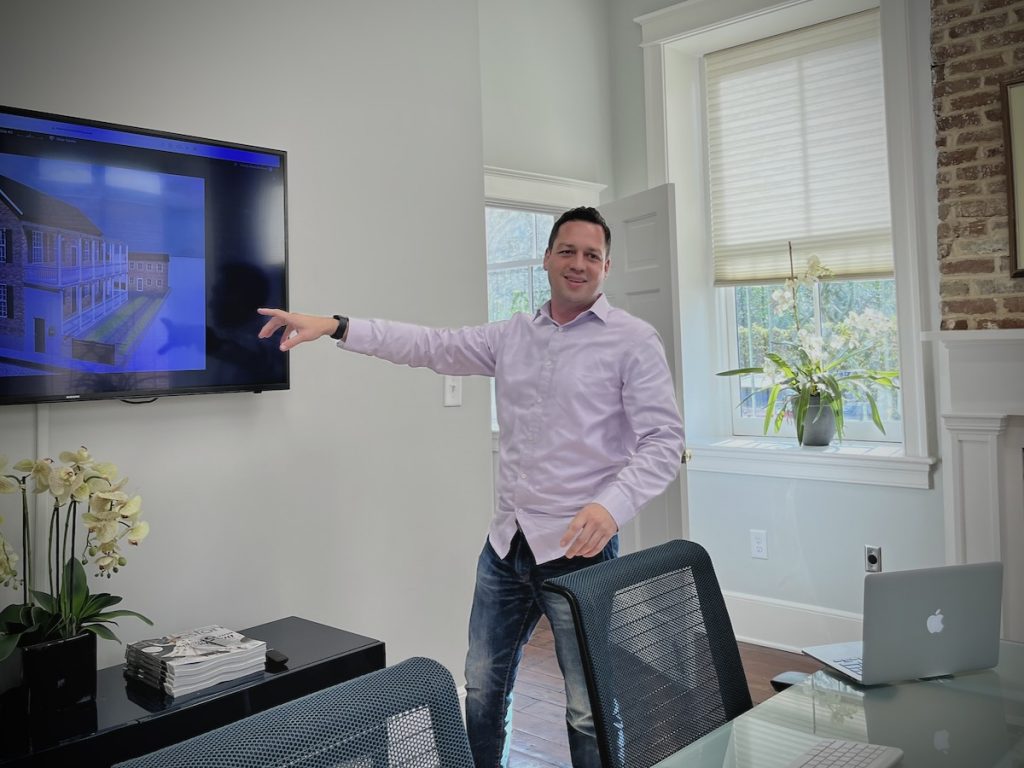
We start with the question you actually have.
Some people reach out with a particular property in mind. Others are trying to compare communities, plan a move from somewhere else, decide whether to sell, or rescue a search that has accumulated too many tabs and not enough direction. We can start with whichever version you have.
The first conversation is mostly about understanding the decision: what is changing, when it needs to happen, what is fixed, and where there is room to make a tradeoff. For buyers, that includes how an ordinary day needs to work. For sellers, it includes timing, preparation, and what the sale needs to accomplish. The property details make more sense after that.
I will also be clear about what I can answer immediately, what requires more research, and when general guidance needs to become a formal brokerage relationship. If I do not know something yet, I will say so. Certainty is not improved by announcing it early.
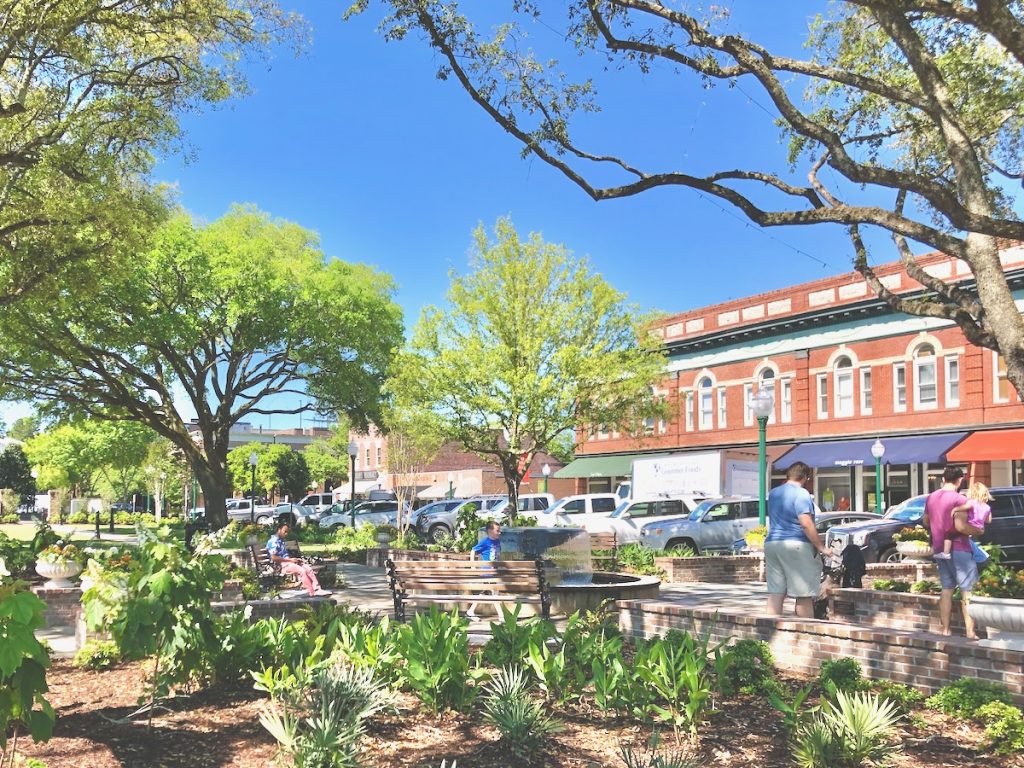
Context first. Then the property.
Define the decision
Narrow the field
Act with a reason
The line should be clear.
Charleston Livability can help you orient yourself. General information about communities, listings, maps, and the region belongs on the public site.
Advice about a particular property, tours, pricing strategy, negotiation, and client-level analysis belongs inside a defined brokerage relationship. That relationship should be documented and understood before anyone is relying on the advice.
Compensation should be handled the same way: discussed plainly, agreed in advance, and revisited if the situation changes. No one benefits from discovering the arrangement halfway through the work.