Invasive Plants in the Lowcountry
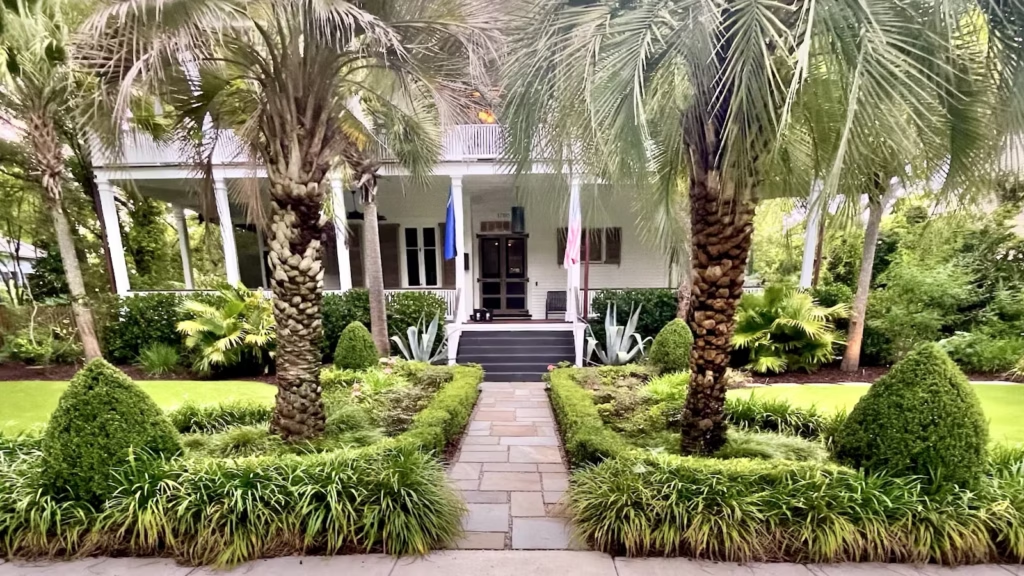
The Landscape Is Part of the Property
A showing lasts a few minutes. The landscape tells a much longer story.
I start with the shape of the ground and the route water takes after it leaves the roof or crosses the lot. Low areas and exposed roots can make me look more closely.
I also notice what is climbing, spreading, or growing across an edge.
Drainage, mature trees, and established plantings have been keeping their own records for much longer than a showing lasts.
Learning to Read a Landscape
My interest in plants developed from seeing them where they grow. Field trips during school and university, and later trips around South Carolina, took me through floodplains, marshes, bogs, state parks, and temperate forests. I studied biological sciences at the University of South Carolina and kept returning to the way plants interact: what thrives in shade, what uses another plant for support, and what happens when an open field gives way to pines and then to oak seedlings beneath them. Congaree is one memorable example of that floodplain landscape.
A landscape is not a static image. It keeps changing, and cultivated plants do not always stay where someone intended them to. Around a house, the process is smaller and more managed, but the ground is still going somewhere.
The Problem Usually Begins with a Plant That Works Too Well
An invasive plant is not simply one that grows quickly, spreads enthusiastically, or becomes irritating after a wet summer. The term generally refers to a non-native plant that establishes beyond cultivation and causes harm to natural areas, native plant communities, wildlife habitat, agriculture, or other resources. Plenty of non-native plants remain where they are planted and cause little trouble. The distinction matters.
Plants move beyond gardens through seeds, berries, roots, stems, water, wildlife, and shared landscaping equipment. The same Lowcountry weather that brings long growing seasons and abundant rain also does wonders for noxious weeds. Drainage corridors, wetlands, roadsides, and disturbed land give escaped plants places to take hold.
From Garden Plant to Landscape Problem
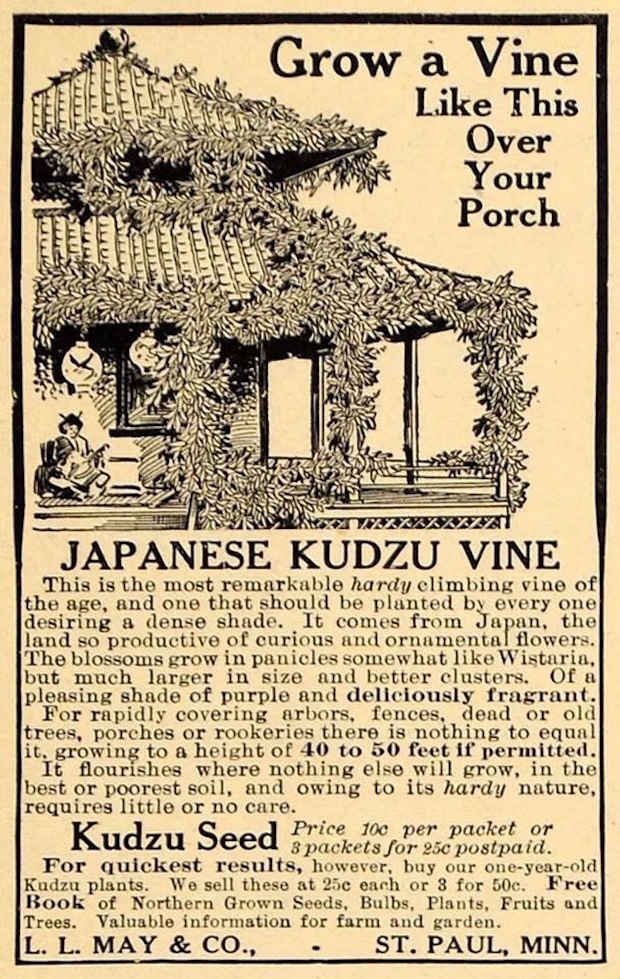
Most invasive plants in the Lowcountry did not arrive as weeds. They arrived as products – sold for flowers, screening, erosion control, rapid growth, or pond decoration. Many worked exactly as advertised.
The problem came later, when seeds, roots, runners, berries, or plant fragments moved beyond the place where someone intended them to stay.
How it spreads
Birds carry berries into nearby fields and wooded edges. Soil, yard waste, and landscaping equipment can move seeds or rooted pieces to a new place. Fragments of aquatic plants can travel with water or equipment.
And some landscapes arrive with the house: the current owner may have inherited the planting, the maintenance, and the work of figuring out where it has spread.
What I look for
A plant’s name is part of the question. Its location, size, growth, and relationship to the rest of the property tell me what to ask next.
Water, grade, and erosion
I look at grading, downspouts, paving, low areas, and whether water can move off the lot – not merely whether the grass is dry on showing day. Water-loving plants in low points can point to places where water lingers; exposed roots may be an erosion clue.
Trees and structures
I notice where vines meet a tree or building, what they cover, and what remains visible. A vine climbing into a mature tree’s canopy raises a different question from one lying across the ground. Vegetation against siding or masonry may hide the surface beneath it, so the condition of that surface matters too.
If a mature tree is important to a buyer, its condition may deserve a closer look. During due diligence, I may recommend an arborist when the buyer’s decision depends on the health or outlook for a particular tree.
Boundaries and buyer priorities
With bamboo, I look over the fence because the visible canes may not show where the planting ends.
A buyer who wants a low-maintenance yard needs a different warning from someone already talking about rebuilding the flower beds and courtyard. The same patch of invasive growth can be a minor nuisance to one buyer and the first item on another buyer’s removal list.
I pay attention to the landscape, too.
If you’re considering a Charleston-area home and something about the trees, drainage, vegetation, or surrounding property raises a question, send me the listing. I can help put what you’re seeing into the context of the property and the purchase.
Vines
Wisteria
Spring in Charleston brings an exquisite display of wisteria flowers, hanging in dramatic purple clusters, sort of like grape bunches. American wisteria is native to the Southeast and is cultivated in Lowcountry gardens. Two related Asian species, Chinese and Japanese wisteria, were planted widely as well. They grow quickly, produce long flower clusters, and can bloom earlier than American wisteria. Both have escaped cultivation in South Carolina, where they can overwhelm established trees along roadsides, woodland edges, and older landscapes.
Once established, wisteria climbs trees and structures, spreads by runners, and shades nearby vegetation. Mature stems can become heavy, and established roots can send up new growth after the visible vines are cut. Their flowers remain attractive. The rest of the arrangement can be a nightmare.
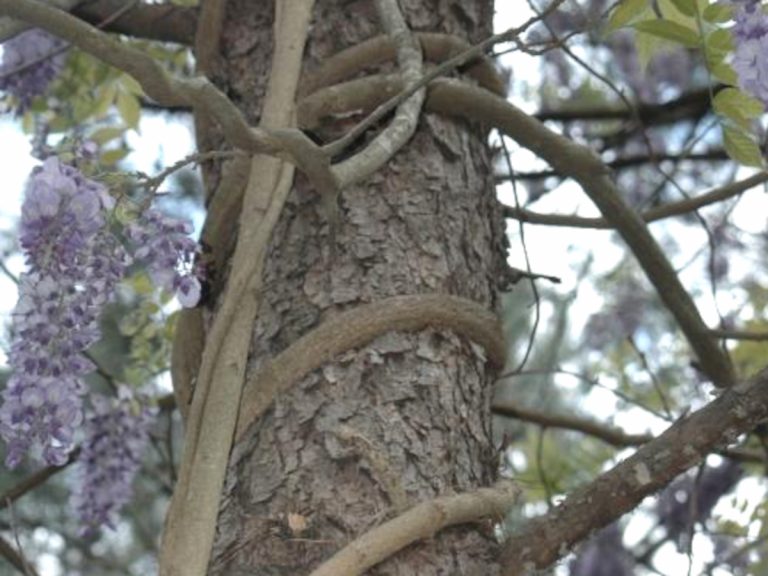
IDENTIFICATION
Chinese and Japanese wisteria generally flower earlier and produce longer clusters than American wisteria. Their seed pods are described as fuzzy, while American wisteria pods are smooth. Woody stems, running growth, and regrowth from established roots are useful clues after the flowers are gone.
In my own yard, I cut out a decades-old wisteria that was choking a grand live oak. The oak survived, but once the vine was gone, it was clear how much of the upper canopy had already been lost. The tree has been recovering slowly ever since.
That is the sort of condition I would point out during a showing. If a mature oak is an important part of what a buyer loves about a property, an arborist can give them a better sense of the tree’s condition and prospects during due diligence.
(I also removed wisteria vines from a gum tree – it recovered somewhat but was too weak to withstand a tropical storm the next autumn that tore the tree in half. I’m not lamenting the loss of a gum tree though.)
Kudzu
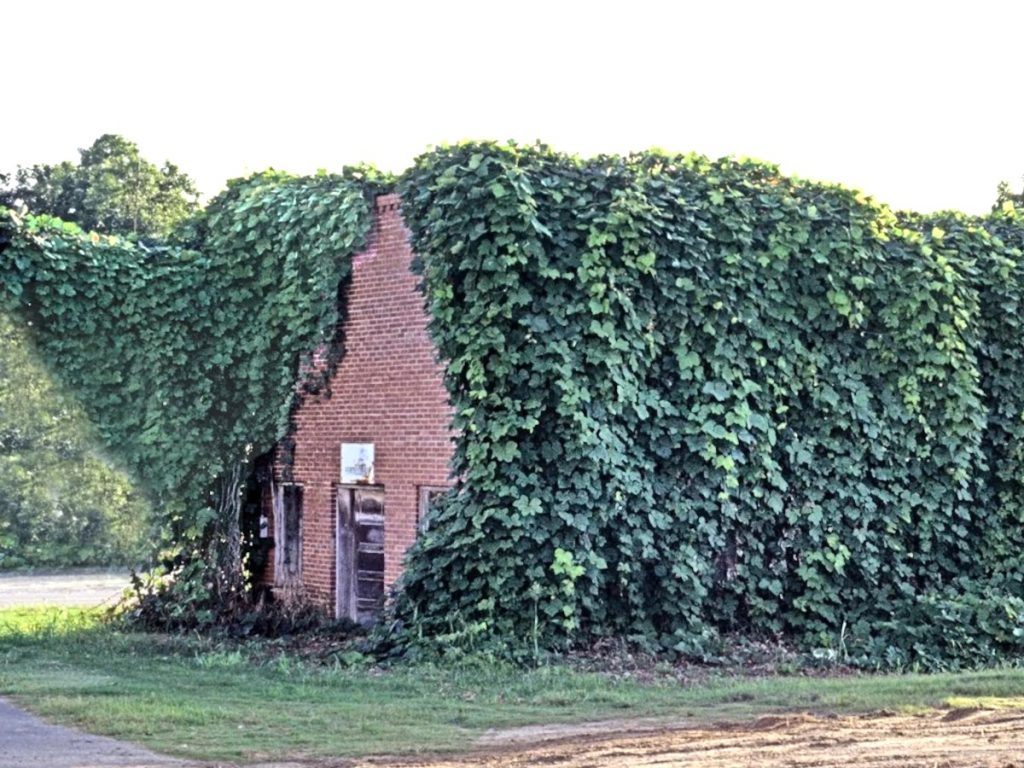
Kudzu was introduced from East Asia and promoted throughout the South for forage and erosion control. It found plenty of room in the region’s long growing season, disturbed soils, roadsides, embankments, and open woodland edges.
Its leaves divide into three leaflets, which may be smooth-edged or irregularly lobed. Mature vines become woody; purple flowers may appear in late summer, followed by flattened, hairy seed pods. The vine spreads from root crowns, roots where stems touch the ground, and climbs almost anything that will hold it. Dense growth can cover shrubs, young trees, fences, utility corridors, and abandoned structures.
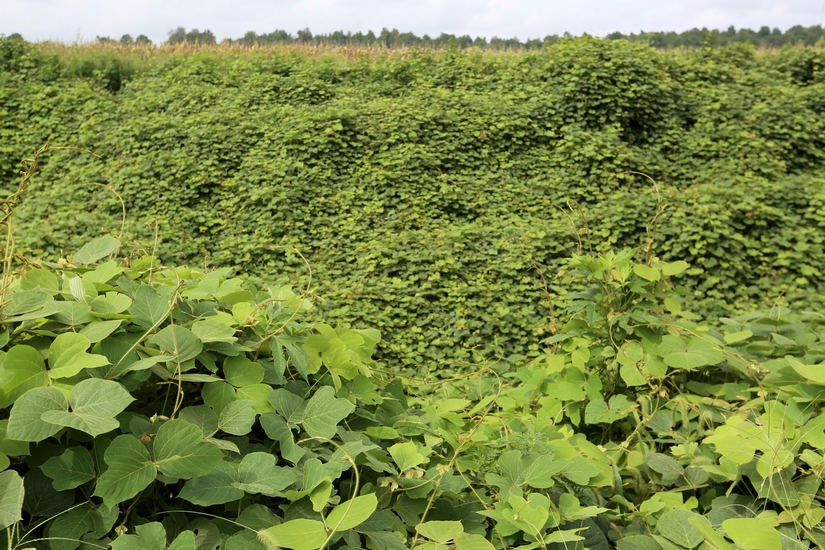
The visible foliage is only part of the plant. Root crowns sit at or near the soil surface, while large tuberous roots store energy for regrowth. Stems that root on contact can create additional crowns. Cutting the climbing vines may relieve pressure on a tree, but a large patch takes repeated work to control. Where it reaches steep banks, utility corridors, or neighboring land, the visible edge may be the least complicated part of the project.
English ivy
English ivy spent decades as a dependable evergreen groundcover beneath trees, along foundations, and in the shade where turfgrass struggled. It tolerates drought and little routine care. Those are appealing qualities until the bed expands into a dense mat, a tree, or a wall.
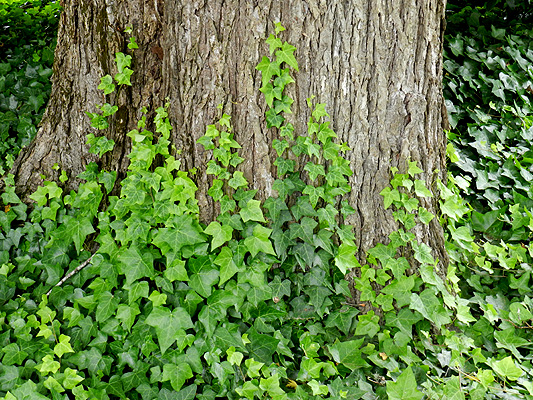
Juvenile leaves usually have three to five pointed lobes. The climbing growth attaches with small aerial rootlets; older stems can become woody and produce unlobed leaves higher in a tree. Ivy can conceal drainage or foundation conditions and climb into a canopy, so it is useful to see what is under the foliage before deciding what it means for a property.
Where ivy is being removed, pulling groundcover is not the same as removing rooted stems. Vines climbing a tree are often cut near the base and left to die in place; pulling them down from limbs or bark can cause more trouble. Missed stems and rooted fragments can send up new growth, so the cleared area needs follow-up.
Japanese honeysuckle
Japanese honeysuckle was planted on fences, banks, and naturalized landscapes for its quick growth and fragrant flowers. The blossoms open white and fade to yellow. The vine can remain semi-evergreen through much of the year, and birds carry its berries into nearby natural areas.
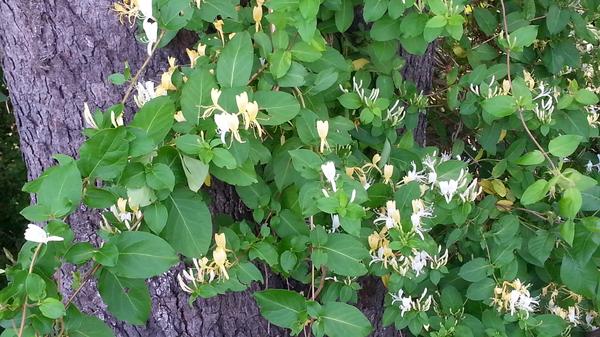
Opposite leaves line its twining stems. Young growth is flexible and green; older vines become woody. The upper leaves remain separate rather than joining around the stem, a distinction from some native honeysuckles. Long vines can blanket shrubs and young trees or form mats along woodland edges, leaving little room for other plants.
Small patches may be dug or cut back, but established growth often includes rooted stems and seedlings. Cutting the visible vine once rarely settles the matter; new plants can appear along fence lines and woodland edges for several seasons.
Shrubs
Privets
Privet was a defining landscape shrub of the twentieth century. It grew quickly, tolerated heavy pruning, and made a dense screen. It was planted around homes, commercial buildings, farms, and property lines. Birds spread the abundant berries into woodlands, drainage corridors, and vacant land, where privet can crowd native shrubs and forest regeneration.
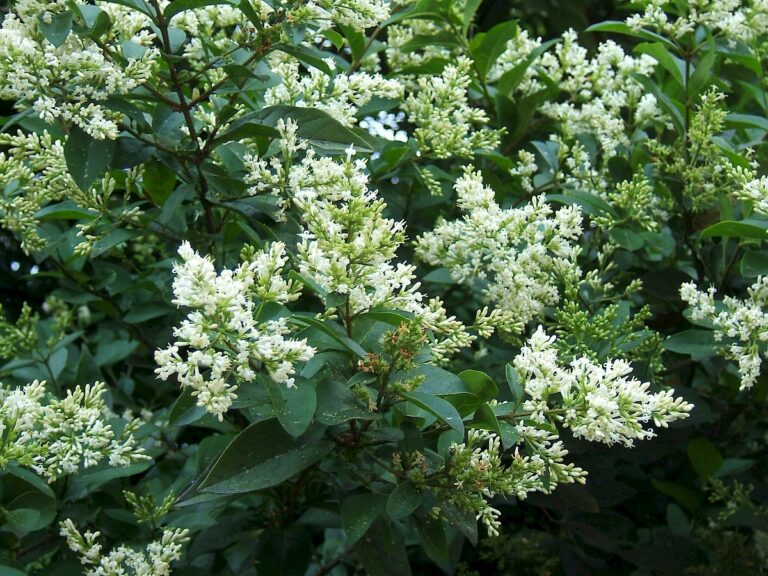
The three species do not look identical, but privets commonly have opposite leaves, smooth gray stems, clusters of white flowers in spring, and dark berries later in the season. In the Lowcountry they are often evergreen or semi-evergreen. Mature plants can produce many stems from the base and spread into dense colonies.
Young seedlings are easier to remove than established shrubs. Cutting a mature plant may prompt vigorous regrowth, and new seedlings can emerge after removal as birds keep bringing seed into the area. A large patch is often a phased project, with follow-up for several seasons.
Autumn olive
Autumn olive was planted to stabilize disturbed soil, provide wildlife cover, and produce fruit. It tolerates poor soils and fixes nitrogen, which can help it thrive where many shrubs do not. Birds carry the red, silver-speckled berries into fields, utility corridors, roadsides, and woodland edges.
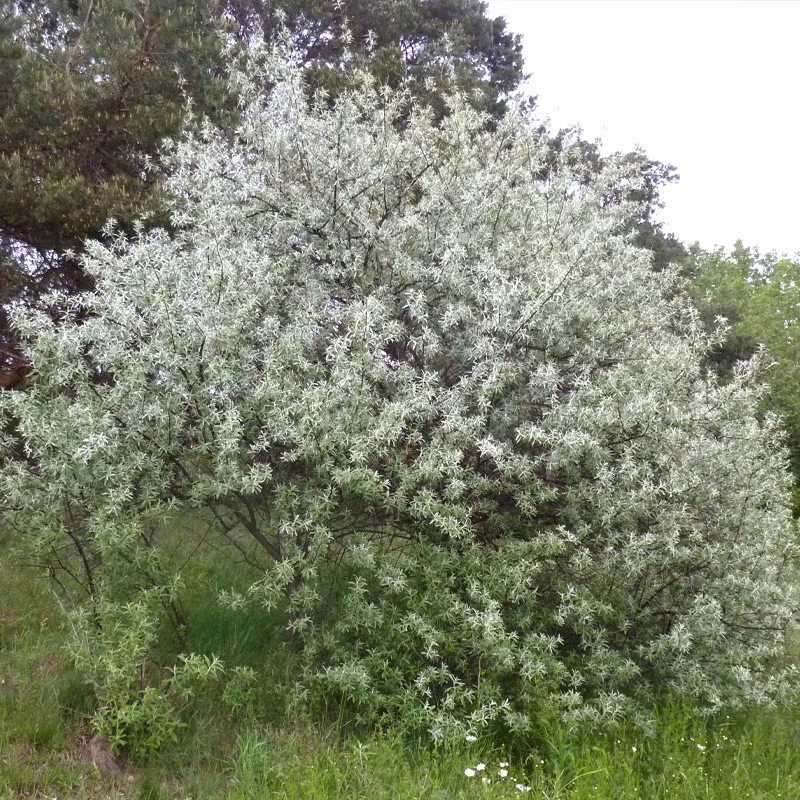
The leaves have silvery scales underneath that can flash when wind turns them. Small fragrant flowers appear in spring, followed by berries; older plants can become broad, many-stemmed thickets. By fixing nitrogen, autumn olive can also change soil conditions and favor some plants over others. On a property with open edges or former pasture, it may mark the start of a shift toward unmanaged thicket rather than a single shrub to tidy up.
Seedlings are more manageable than mature plants. Cut stems may resprout, and birds can continue to introduce new seedlings into cleared ground. The work is usually in the follow-up.
Nandina
Nandina is not a bamboo, despite the name. It became a dependable Southern landscape plant because it tolerates heat, shade, drought, and neglect. Its evergreen foliage, winter color, and bright berries made it common in foundation beds, parking lots, and commercial landscapes.
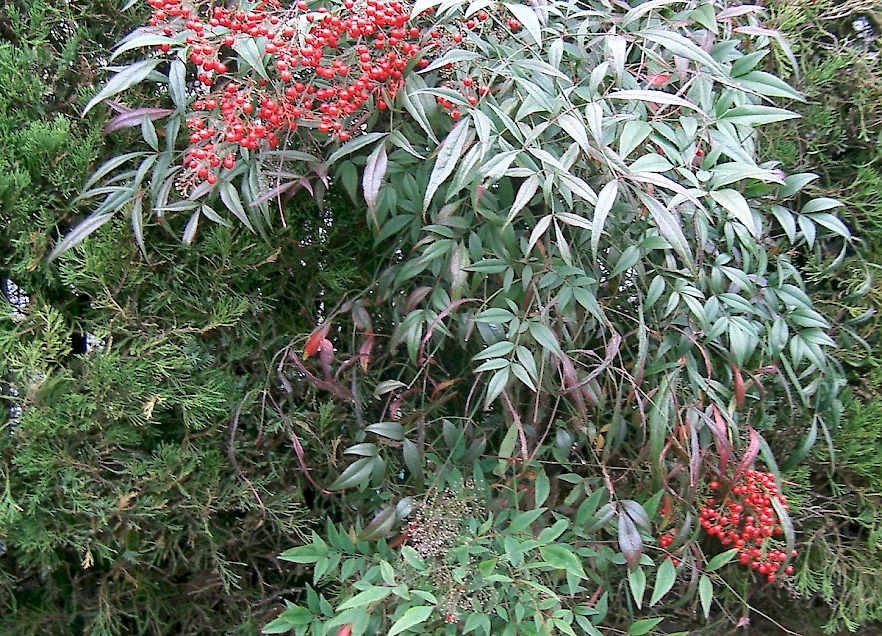
The upright stems carry finely divided leaves that may emerge bronze or red, mature to green, and color again in colder weather. White flowers appear in clusters; many cultivars produce red berries. Fruiting plants can spread by seed as birds carry berries beyond the bed, while established clumps expand through underground stems.
Some nandina berries can be toxic to birds when eaten in quantity. Cultivar and fruiting behavior matter, so the plant’s identity is worth checking before treating every nandina planting alike. Small plants can be dug; older clumps may resprout from remaining roots, and seedlings may appear under nearby trees, fences, and woodland edges.
Trees
Bradford / Callery pear
Bradford pear became a familiar ornamental in South Carolina because it grew quickly, flowered heavily, produced dependable fall color, and arrived from the nursery with a tidy shape. For decades, subdivisions, commercial landscapes, parking lots, and front yards were planted with them.
The arrangement eventually unraveled. Bradford pears can develop weak branch structure and split during storms. Different Callery pear cultivars can cross-pollinate; their fruit is carried by birds into fields, roadsides, rights-of-way, and disturbed land, where seedlings can grow into thorny stands.
IDENTIFICATION
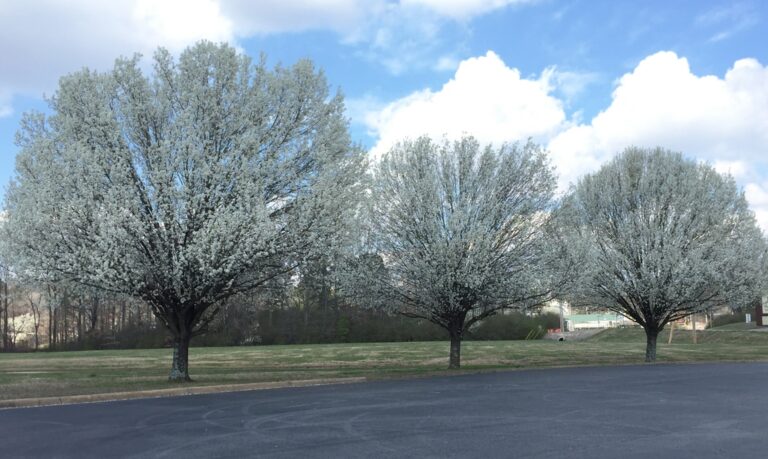
Ornamental Callery pears have glossy rounded leaves, dense white spring flowers, and orange-red to purple fall color. A narrow central union may divide into several upright limbs. Escaped trees can have dense branching, basal sprouts, and long thorns. A rounded shape alone does not identify the Bradford cultivar.
I brokered a sale for buyers considering a home built in the 1980s. A row of roughly 40-year-old Bradford pears lined the front yard and framed the home visually. By then, the trees were no longer beautiful. They showed serious branch damage that, to an untrained eye, could have looked like ordinary tidying.
Before the purchase, I told the buyers the trees would almost certainly need to come out as the storm damage continued. They kept deteriorating, and the new owner removed them. The buyers were glad to know what was coming.
Because the row had framed the house, removing the trees also meant replacing that frame. The buyers could plan ahead for a new row of substantial trees instead of spending the next several years fussing over Bradford pears they already knew were a lost cause.
Remove a Bradford Pear Tree – Replace It with Something Better
South Carolina’s sale restriction on Callery pear does not require owners to remove trees already growing on their property. The buyers were also eligible for Clemson’s Bradford Pear Bounty, which exchanges up to five removed pears for the same number of young native trees at scheduled events.
The program does not pay for removal; the bounty is not a mysterious envelope of cash.
MANAGEMENT
Small seedlings are easier to remove before they mature. An established tree should be considered in light of its condition, location, and the owner’s plans. Cutting may not prevent regrowth, so the area needs another look afterward. Follow-up inspection is part of removal, not an optional epilogue.
Chinese tallow / popcorn tree
Chinese tallow was planted across the South as an ornamental and as a potential source of oil from its waxy seeds. It grew quickly, tolerated wet and disturbed soils, turned vivid colors in fall, and produced clusters of white seeds that gave it the name popcorn tree.
Birds and moving water carry its seeds into wetlands, drainage corridors, pond margins, roadsides, vacant parcels, and recently disturbed ground. The small to medium tree has smooth-edged, broadly diamond- or heart-shaped leaves that taper to a point. Long flower spikes appear in spring; later, three-lobed capsules open to expose white wax-coated seeds that can remain on the branches after the leaves fall.
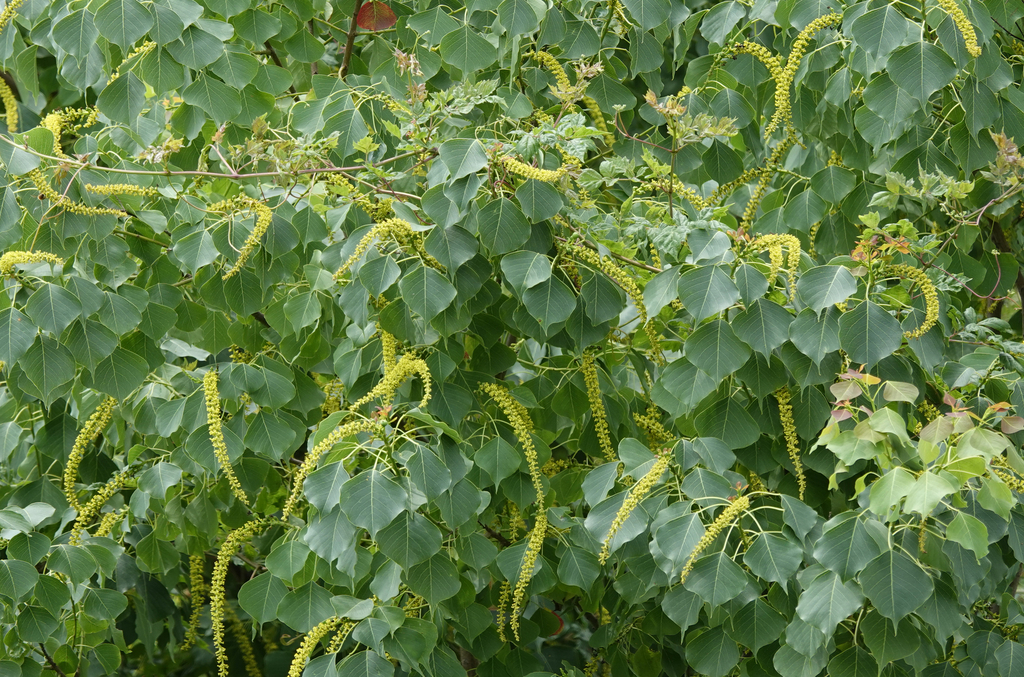
Seedlings grow quickly in open sun and can establish where disturbance or flooding has opened a site. Young plants are easier to pull or dig than mature trees, which can resprout from the stump and roots after cutting. Established stands may contain several generations of seedlings, so removing one tree may only reveal what was growing beneath it.
Grasses & Groundcovers
Cogongrass
Cogongrass has spread through portions of the Southeast in contaminated fill, roadside and logging equipment, and ornamental plantings. At first glance it can resemble an ordinary ornamental grass. Its leaves have a white midrib that sits off-center, finely toothed edges, and pointed tips. Mature plants can produce silky white seed heads.
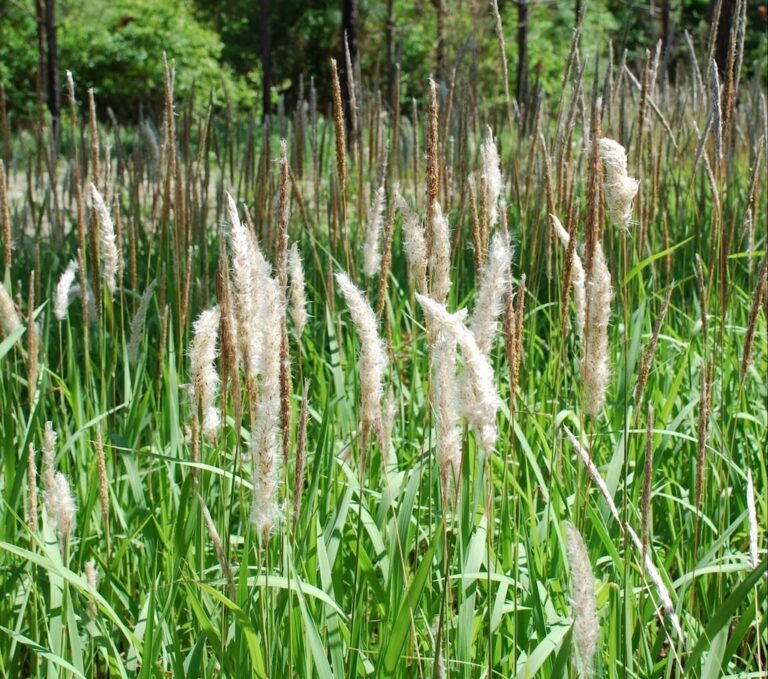
The plant expands through sharp underground rhizomes, which can extend beyond the visible leaves. Fragments left in soil may produce new growth, and equipment can carry pieces to another site. Cogongrass can form dense colonies that displace other vegetation; its dry growth can also affect fire behavior.
If it is suspected, confirm the identification before moving soil or equipment from the area. Larger patches need a coordinated plan and repeated follow-up, not a quick pass with a mower.
Running bamboo
Running bamboo was planted as an ornamental screen because it grows quickly, stays green, and creates privacy. The problem lies underground. Rhizomes travel away from the visible canes and send up new shoots beyond the original grove. Unlike clumping bamboo, running types keep extending their underground network.
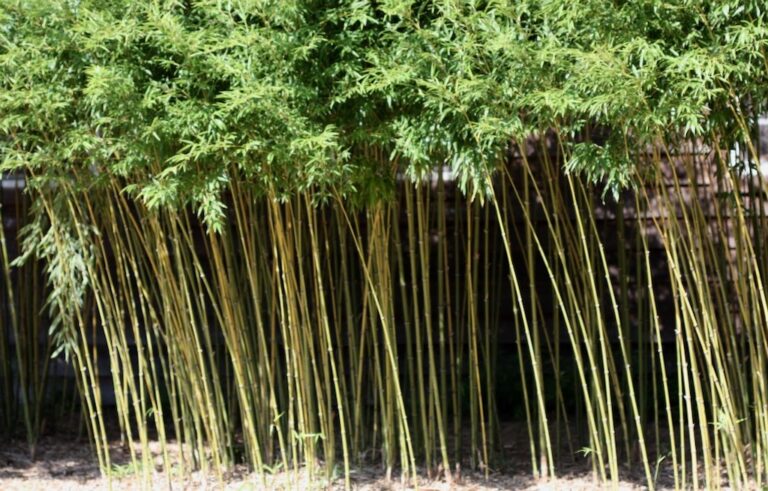
The canes are hollow and segmented. New shoots emerge quickly in spring and early summer; a mature grove can shade out other plants. Mowing the visible canes does not reach the rhizomes. Long-term control may involve excavation, barriers, repeated cutting of new shoots, or a combination of approaches.
One Grove Can Become Two Yards' Problem
Running bamboo rarely respects survey lines. By the time new shoots appear in a neighboring yard, the rhizomes may already extend beneath fences, sidewalks, or planting beds. A fence does not necessarily mark the legal boundary.
If shoots appear on both sides, the practical conversation may involve more than one owner. Treating only the visible canes in one yard can leave the underground network intact on the other side.
Japanese stiltgrass
Japanese stiltgrass is an annual grass that has spread through forests, parks, stream corridors, roadsides, and shaded landscapes across the eastern United States. It tolerates shade and can gradually replace native groundcover beneath a woodland canopy.
Look for loose, light-green stems and narrow leaves with a silvery stripe along the center. The plant produces abundant seed before dying for the season. Seed can remain in the soil and new plants can arrive with disturbed soil, water, wildlife, footwear, mowing equipment, or vehicles.
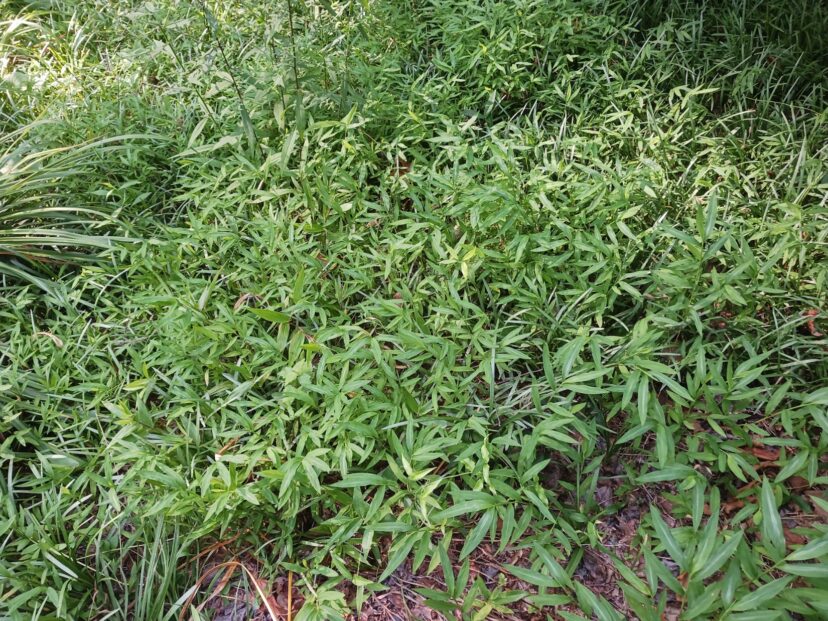
Individual plants are shallow-rooted and easy to pull. The challenge is the quantity of seed and the number of seasons it may continue to emerge. Woodland trails, drainage edges, and recently disturbed ground are useful places to look before the grass fills in.
Aquatic Plants
Hydrilla
Hydrilla grows beneath the water’s surface, with long branching stems that may reach the surface and form dense growth. Narrow leaves grow in whorls around the stems, usually several at each node, with visibly toothed margins. Beneath the sediment, the plant can produce tubers that support regrowth.
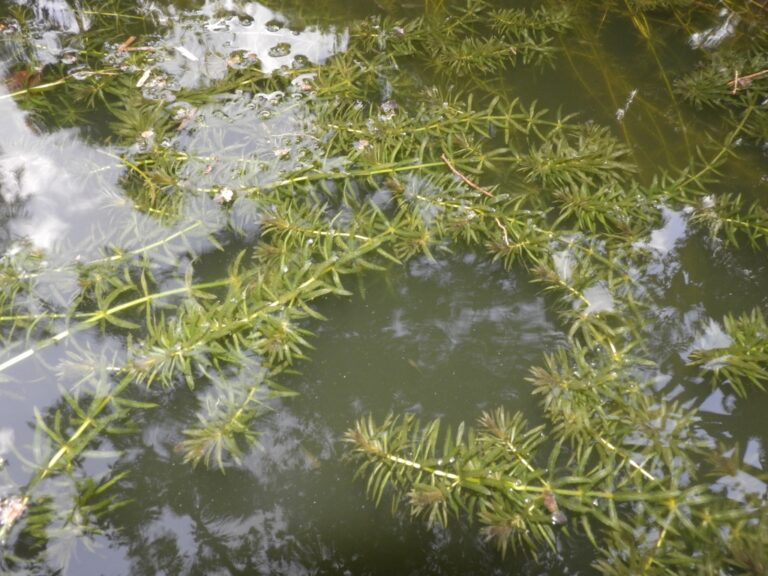
Hydrilla spreads through stem fragments, tubers, and overwintering buds. Moving water and recreational equipment can carry fragments between ponds and waterways, so boats, trailers, kayaks, and fishing gear should be checked before they leave a waterbody. Harvesting or cutting can break stems into pieces, so disturbing an established colony without a management plan may spread it rather than solve it. Pond managers often need repeated treatment and monitoring.
A Neighborhood Pond Isn't Just a Decorative Lake
Some Charleston-area neighborhood ponds are engineered stormwater facilities. Dense aquatic vegetation can affect water movement, maintenance access, wildlife habitat, and the appearance of a community. If a waterfront property is under consideration, look beyond the surface: heavy floating vegetation, dense submerged growth, and recurring maintenance activity all raise questions about the pond’s purpose and upkeep.
The plant in a photograph may not be easy to identify, and the person responsible for pond maintenance may not be the person selling the house. Ask who manages the waterbody and what work is already planned.
Water hyacinth
Water hyacinth, native to South America, was introduced as a water-garden ornamental. Its glossy leaves, inflated leaf stalks, and lavender flowers are attractive. Wind and water can move the rosettes across a pond, where short runners produce daughter plants and clusters can join into a dense mat.
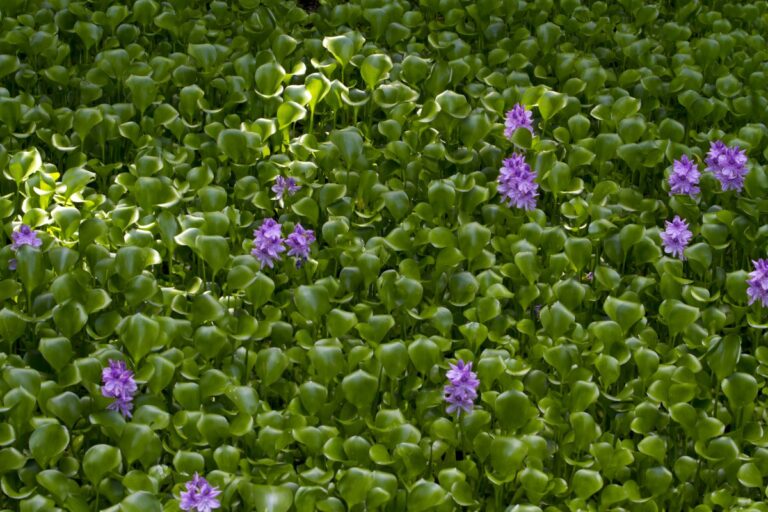
The swollen stalks help the plant float; long, dark roots hang beneath each rosette. Mats can shade other aquatic plants, gather along shorelines or outlets, and interfere with access and maintenance. Small colonies may be removed by hand or mechanically if all plant material is collected; larger infestations call for coordinated pond management. Aquatic herbicide work on shared or public waters requires qualified, properly licensed help.
Do Not Buy, Share, or Relocate This Plant
South Carolina law prohibits possessing, selling, offering for sale, importing, bringing into the state, or releasing water hyacinth into state waters, except under a research permit. The state’s current aquatic-plant list uses the former name Eichhornia crassipes. Check the South Carolina aquatic plant laws and current list before acting.
Start with the Purpose
The question is not simply whether a plant is native, but whether that plant belongs in that particular place and can do the intended job without becoming tomorrow’s removal project. These are starting points for further checking, not one-size-fits-all prescriptions:
- Flowering vine: American wisteria · Wisteria frutescens; coral honeysuckle · Lonicera sempervirens; crossvine · Bignonia capreolata; Carolina jessamine · Gelsemium sempervirens.
- Evergreen screening: wax myrtle · Morella cerifera; yaupon holly · Ilex vomitoria; American holly · Ilex opaca.
- Spring-flowering tree: flowering dogwood · Cornus florida; eastern redbud · Cercis canadensis; fringe tree · Chionanthus virginicus; serviceberry · Amelanchier spp.
- Shade groundcover: green and gold · Chrysogonum virginianum; Allegheny spurge · Pachysandra procumbens; wild ginger · Hexastylis spp.
- Wildlife value: American beautyberry · Callicarpa americana; winterberry · Ilex verticillata; native blueberries · Vaccinium spp.
- Pond and shoreline: choose only after checking water depth, salinity where relevant, the pond’s purpose, access, and shoreline conditions with qualified guidance.
South Carolina Resources
- South Carolina Native Plant Society: Invasive Plant Species — state invasive-plant information and native alternatives.
- Clemson Department of Plant Industry: Invasive Species — regulatory information, reporting, and the state plant-pest list.
- Clemson Home & Garden Information Center — research-based homeowner guidance on plant identification and control.
- Clemson Extension: Aquatic Plants and Weed Control — guidance for ponds, shorelines, and stormwater systems.
- South Carolina Department of Environmental Services: Aquatic Plant Laws — current state-law text for regulated aquatic plants.
- Clemson Bradford Pear Bounty — current event dates, eligibility, and exchange requirements.
The Landscape is Part of the Property
Most of these plants began as a choice that made sense to someone: flowers, screening, erosion control, quick shade, or a green pond. Some did exactly what they were asked to do, then kept going.
When a house comes with one of those plantings, it helps to find out what is growing, where it has spread, and what the next owner wants from the landscape before starting to remove it. The planting may be older than the current owner. Its next chapter is not.
See Charleston One Community at a Time.
Charleston’s communities differ in far more than architecture and commute time. Explore the Charleston Livability community guides for local context, housing, landscape, geography, and current listings.