French Cuisine of the Lowcountry
Charleston has been borrowing French technique for centuries, but the interesting part is what happens after it arrives here: old-world methods meet local seafood, Southern ingredients, and a city that has never been especially good at leaving a cuisine alone. The result is not quite French food transplanted to Charleston. It is French cooking, translated into Lowcountry.
Une fusion d’influences
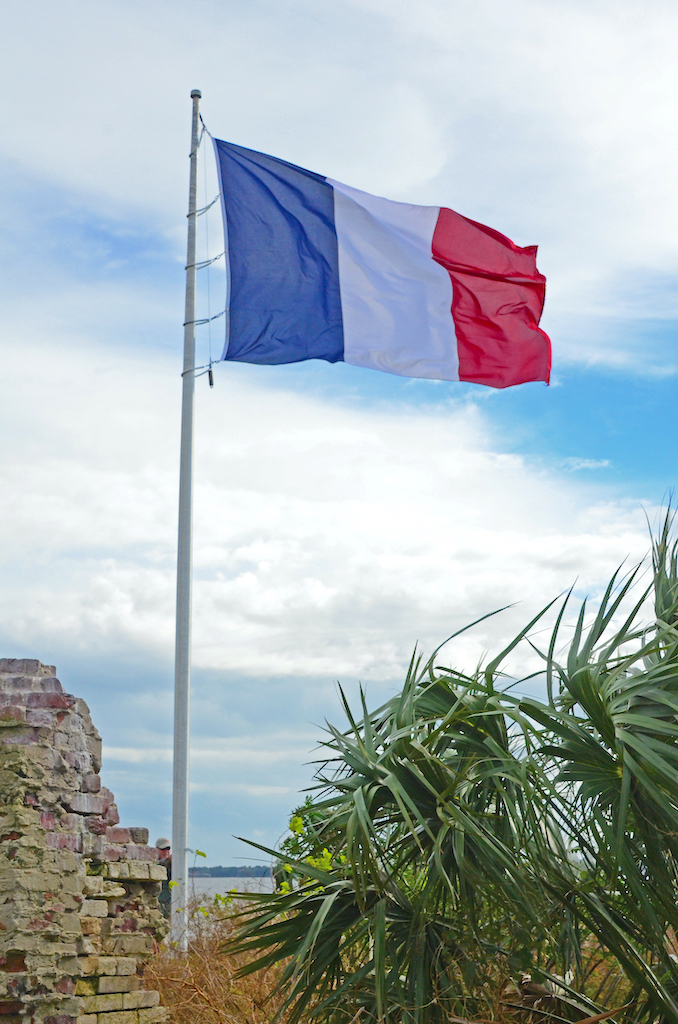
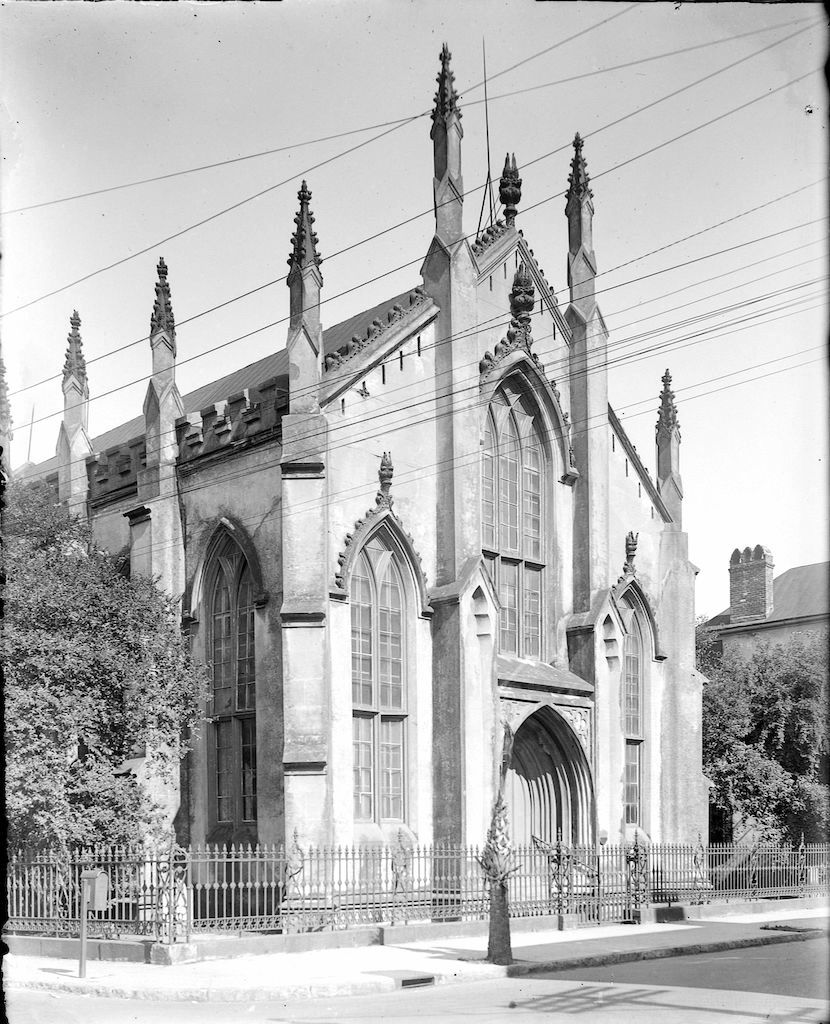
French Protestants were part of colonial Charleston almost from the beginning. In April 1680, the Richmond arrived with 45 Huguenots; by 1700 about 450 had settled in the Lowcountry. Their church survives in the French Quarter, a conspicuous reminder that the French presence here is not a recent culinary fashion.
The food story is less tidy. Lowcountry cuisine was never authored by one immigrant group. It developed over centuries from African, European, and Native American cooking traditions, with African and African American cooks central to Charleston’s commercial kitchens and dining culture. The city has always been more mixing bowl than museum.
French influence became part of that mixture: stocks and sauces, pastry, charcuterie, wine culture, and the bistro habit of treating serious cooking as an everyday pleasure. What survives in the best Charleston examples is not historical reenactment. It is adaptation.
That line from the original version of this article still gets closest to the point. French cuisine here is often better understood as a method than a border.
Les originaux
By the middle of the twentieth century, French influence had moved from background technique to front-of-house identity. Perdita’s and Colony House were destinations: formal, continental, and very willing to put French on the menu in full view.
Perdita’s
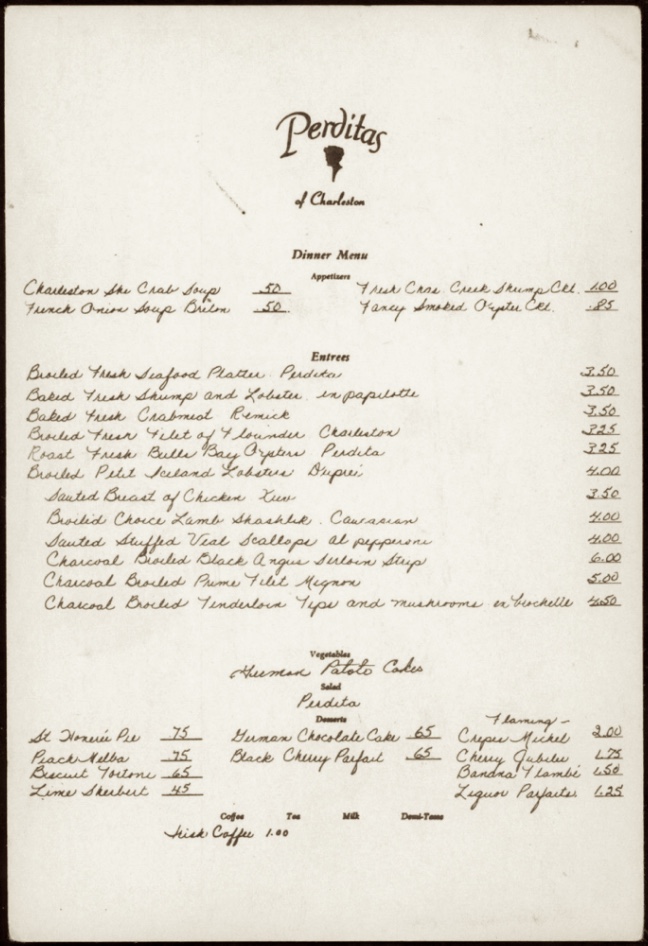
Opened in 1953 at 10 Exchange Street, Perdita’s became the undisputed queen of Charleston fine dining. The surviving menu reads like a confident declaration of the era: classical sauces, French names, formal service, and dinner treated as an occasion.
Charleston restaurants would later make casualness something of a civic virtue. Perdita’s had no interest in getting there early.
Colony House
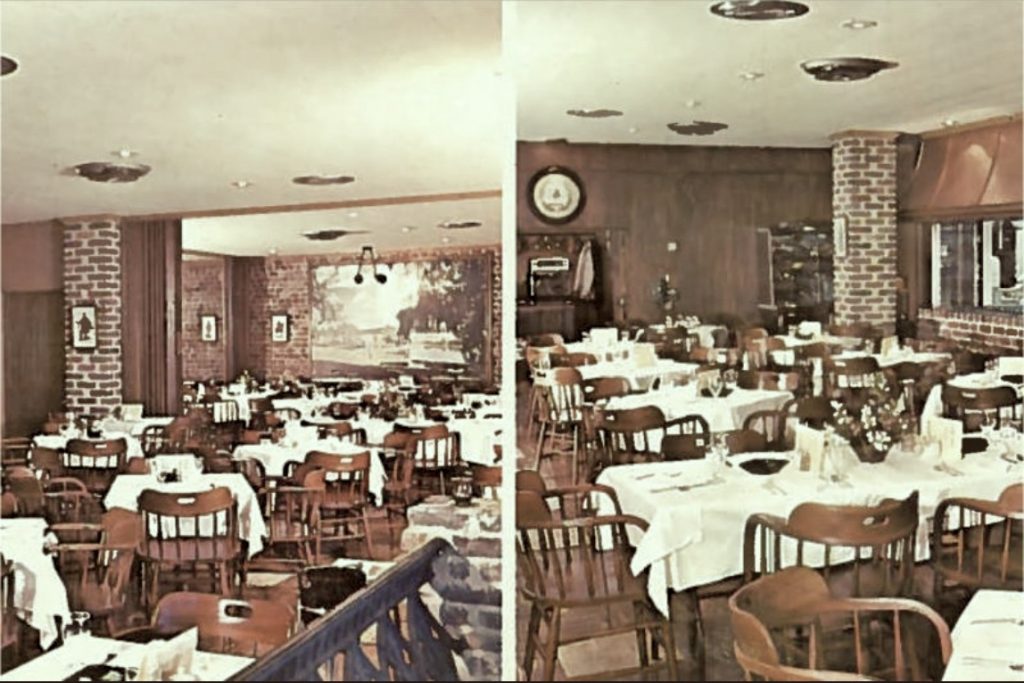
Near East Bay on Prioleau Street, Colony House held court for decades with French cooking and continental wines. It was the kind of room where escargot in puff pastry with wild mushrooms could appear without a wink or an explanatory paragraph.
The restaurant later became the Harbour Club; the old dining room survives mainly in photographs and memories. She is missed.
French tables now
This is not meant to be every Charleston restaurant with a croissant somewhere on the premises. These are the places where French cooking is central to the menu, or where French technique is doing meaningful work with Lowcountry ingredients. The list is deliberately short.
La vieille garde
Some institutions are interesting because they change. These four are useful because the basic idea has survived.
Gaulart & Maliclet / Fast & French — Broad Street’s French café has been doing its thing since 1984: communal counters, soup, sandwiches, wine, and very little theater. The lunch special remains the proper introduction; croque monsieur et Orangina pour moi. It is old enough to be an institution without behaving like one.
39 Rue de Jean — After more than two decades on Upper King, Rue still understands the brasserie job: mussels, steak frites, duck, oysters, wine, and a room that works equally well before a show or after one. Its place at the end of Hutson Alley makes it particularly Charleston – a French brasserie embedded in one of downtown’s most useful little nights-out clusters.
Chez Nous — Tiny, hidden on Payne Court, and governed by a daily menu of two appetizers, two entrées, and two desserts. The food ranges through Southern France, Northern Italy, and Northern Spain, so it is not doctrinaire French. That is part of why it belongs here: local ingredients, Old World restraint, and no incentive to make the menu longer simply because the printer allows it.
Ville Sainte Bistro — The neighborhood-bistro form transplanted to Mount Pleasant. The menu stays recognizably French while the kitchen explicitly works with Lowcountry fishers and farmers. It is one of the cleaner examples of French structure adapting to local supply rather than merely borrowing a striped awning.

A newer generation
Charleston’s newer bistros are more polished, more cocktail-aware, and generally less interested in pretending the calendar stopped in 1956.
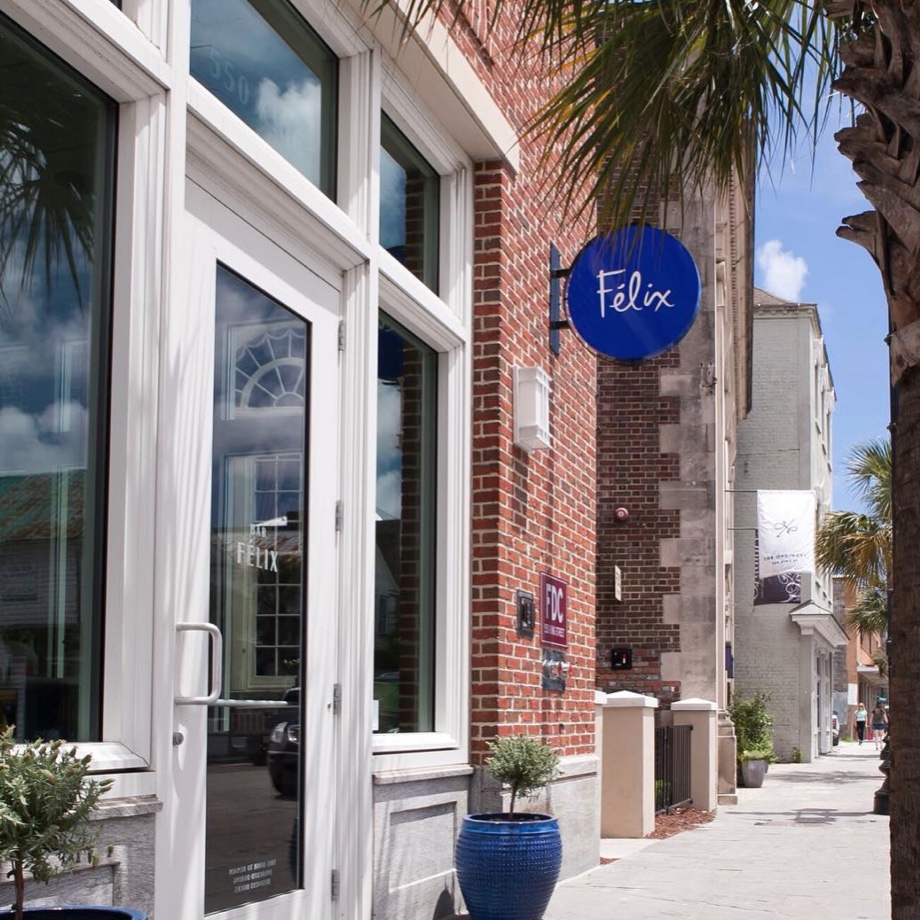
Félix Cocktails et Cuisine — The most openly Parisian of this group in mood: a King Street cocktail bar and restaurant built around French-inspired fare, a marble bar, and the kind of lighting that suggests nobody should be discussing spreadsheets. The food stays approachable, using French classics and French-American riffs rather than a museum survey of Escoffier.
Maison — Smaller, quieter, and more food-forward. The kitchen works from classic French fare but allows modern and local influences onto the plate, especially through seafood. The narrow room and open kitchen keep it closer to a neighborhood bistro than a special-occasion dining room, which is exactly the right scale for it.
Brasserie La Banque — Housed in an old bank at Broad and State, which gives the restaurant an architectural head start. The menu stays on the conventional French side – traditional brasserie dishes, oysters, sauces, and a serious wine program – handled with enough modernity to keep the room from becoming a costume.
Bistronomy by Nico — French Master Chef Nico Romo’s downtown bistro leans more contemporary than NICO on Shem Creek. The menu pays homage to classic French dishes without being trapped by them. If Rue de Jean represents the durable brasserie, Bistronomy is what the same tradition looks like after another couple of decades of Charleston dining culture.
French through the Lowcountry
The most interesting restaurants, for this article at least, are the ones where the line between French and Lowcountry stops being particularly useful.
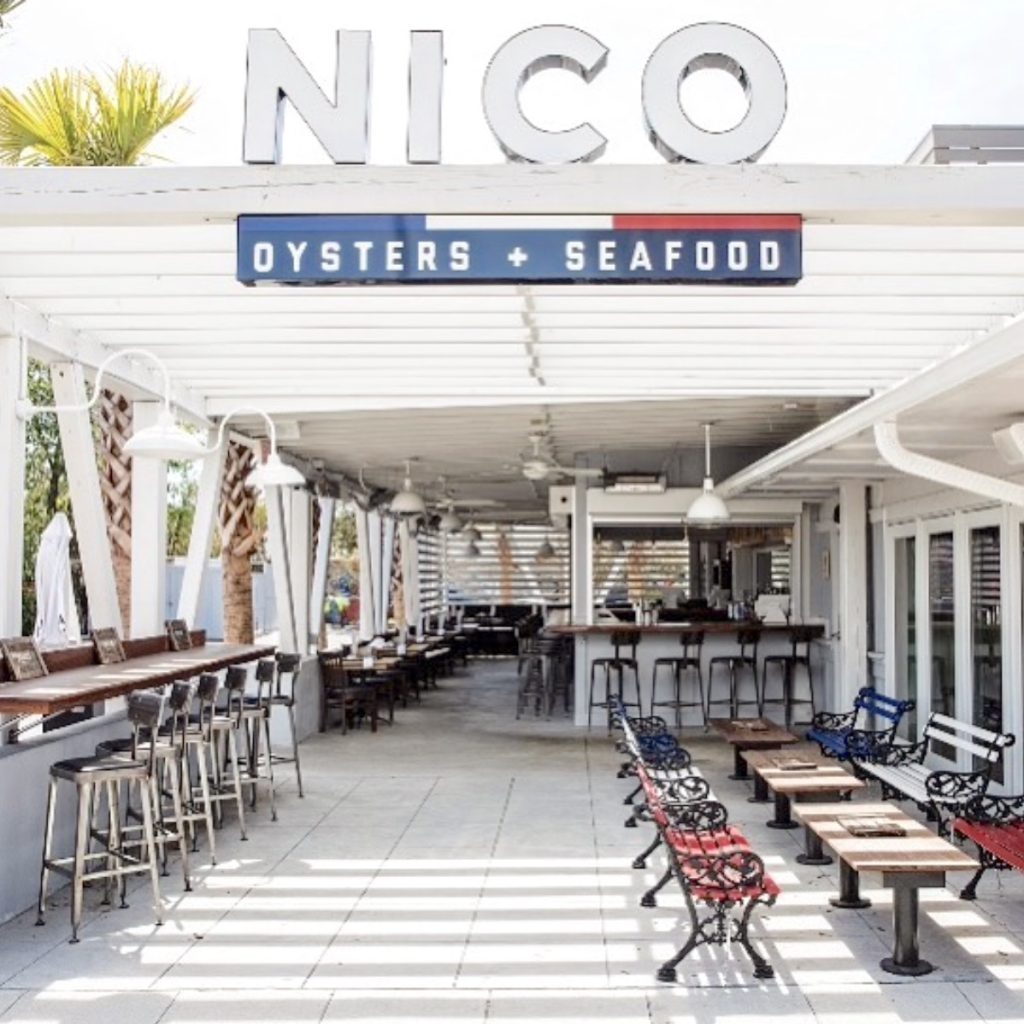
NICO | Oysters + Seafood — The clearest example. A French oyster bar beside the working docks of Shem Creek, with local seafood moving through a wood-fired kitchen shaped by French technique. The setting does not ask you to imagine Paris; it asks what a French-trained kitchen can do with the Lowcountry sitting directly outside the door.
Kersey House — Romo’s French bistro vocabulary in a restored historic house in downtown Summerville. The cooking is more classically French than NICO’s seafood-driven menu, but the setting and seasonal sourcing keep it rooted here. It feels less like France imported to Summerville than a Summerville house that has learned to cook French.
Merci — A tiny Harleston Village bistro with a European frame and a Charleston pantry. Its menu changes with local purveyors and uses Old World techniques without insisting every plate carry a French passport. Among the newer restaurants, it may best capture the informal elegance that Charleston’s strongest small dining rooms tend to do well.
La Cave — By late 2025 the Upper King dining room had moved decisively toward Provence: French small plates, French wines, and seasonal Lowcountry ingredients. That makes it more relevant here than a generic wine bar. When local shrimp starts appearing through a Provençal lens, the article has more or less made its case.
In memoriam
A restaurant guide ages somewhat like an avocado. Several favorites from earlier versions are gone, but they remain part of the French–Lowcountry story – and a few deserve more than being silently deleted from an old list.
Fat Hen — The loss that matters most to the argument of this article. Johns Island produce, French technique, relaxed room. It was “Parisian techniques and Johns Island ingredients” made literal.
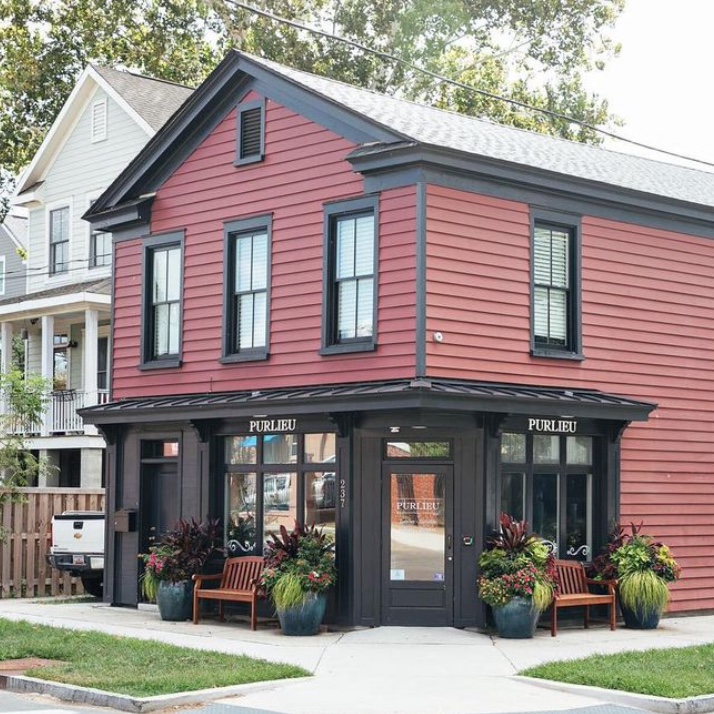
Purlieu — A compact Westside neighborhood bistro where Lowcountry references met formal French training. Idiosyncratic, chef-driven, and very much of its moment.
Goulette — Rotisserie chicken, French comfort food, and Cannonborough casualness from the lineage of La Fourchette. It made French cooking easy to walk into.
Café Framboise — A longtime Market Street stop for croissants, quiche, salads, and pastries; reliable enough that its absence is still noticeable.
Bistro à Vin — The little French wine-bar concept from Loire Valley owners later evolved into Azur, carrying some of the same wine-first spirit into a broader Mediterranean frame.
La Bonne Franquette — West Ashley’s neighborhood French bistro opened and closed between versions of this article, demonstrating the avocado rule with irritating efficiency.


Still Charleston
The useful thing about calling this “French cuisine of the Lowcountry” is that the phrase contains its own contradiction. French technique matters. So do butter, wine, pastry, charcuterie, and the bistro tradition. But the strongest examples here become recognizably Charleston somewhere along the way.
Fast & French does not need to resemble Paris; NICO would be less interesting if Shem Creek disappeared from the equation; Merci’s local sourcing is part of its identity, not an obstacle to Frenchness. Charleston has never been especially disciplined about leaving a cuisine alone. In this case, the lack of discipline has worked out rather well.