Charleston Livability Field Guide
Flood Insurance in Charleston
How flood zones, elevation, and insurance costs shape the decision to buy a home in Charleston.
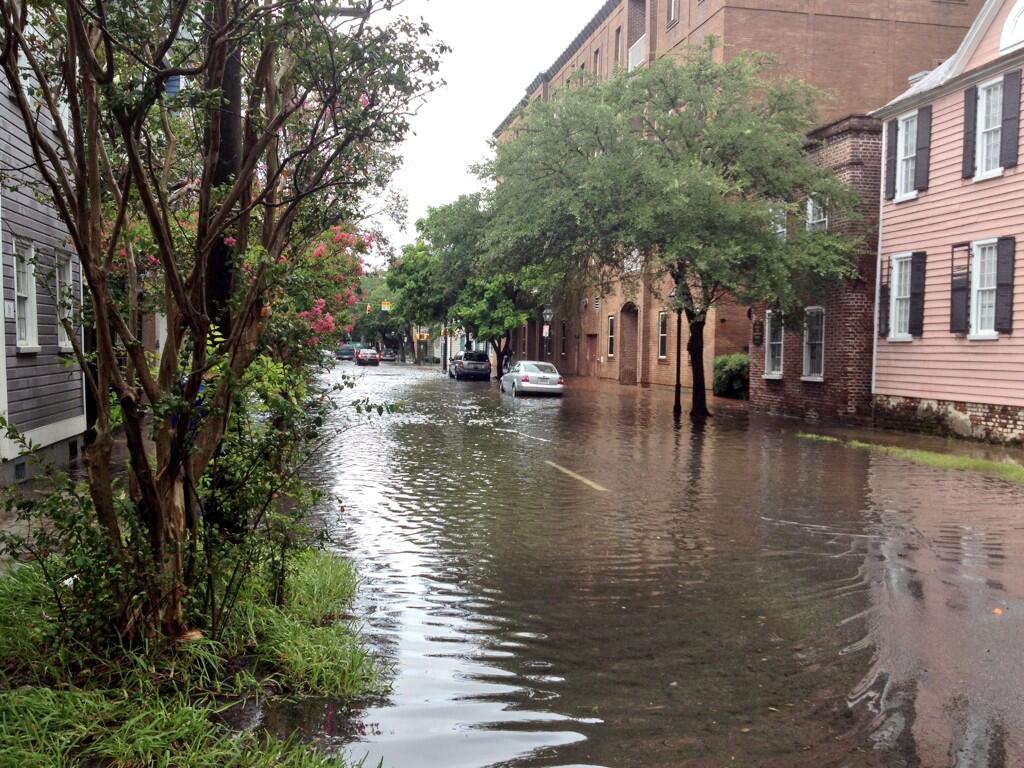
Owning property in the South Carolina Lowcountry means having a conversation about stormwater. Charleston is coastal, low-lying, and built around rivers, creeks, marshes, and drainage systems that are often deluged by subtropical weather systems.
That conversation is often misunderstood, occasionally overblown, and sometimes dismissed when it shouldn't be. I consider flood risk and insurance for every property my clients evaluate – not because every home floods, but because every property deserves a fresh round of due diligence.
01 / Mapped hazard
Map & Risk
Flood maps are used to establish the flood hazards in a particular area, but they are only part of the picture. They do not tell me how a particular house, lot, street, or drainage system will actually behave. What matters is how that risk pattern on the map is applied to the property itself.
What the Map Tells Us
The FEMA map tells us which mapped flood hazard applies to a property and whether it falls inside the Special Flood Hazard Area. That matters for regulation, and for mortgages – you can expect that a lender will be checking the flood zone situation of a property under contract, and may require a flood insurance policy to be in place at closing.
Zone X
Outside the Special Flood Hazard Area
Zone AE
Special Flood Hazard Area with a mapped BFE
Zone VE
Coastal flood hazard with wave action

Reading the map
Official Flood Map LinkBeyond the Map
A flood zone designation is useful, but it does not explain every way that water may affect a property. It will not tell us much about a low spot in the street, a poorly graded lot, a clogged drainage path, or the way a high tide may hamper the drainage rate of a neighborhood.
That is why we still look closely at the physical setting around a house – street elevation, nearby creeks or marsh, the apparent direction of drainage, the condition of stormwater infrastructure, and the way neighboring lots shed water – they can all help us understand how a property may perform under pressure.
Those observations are only a starting point, often made during the first showing. Once a property becomes a serious candidate, that is when we bring in the professionals – surveyors, insurance agents, and perhaps even engineers – during our due diligence.
02 / Reading the building
Elevation & Structure
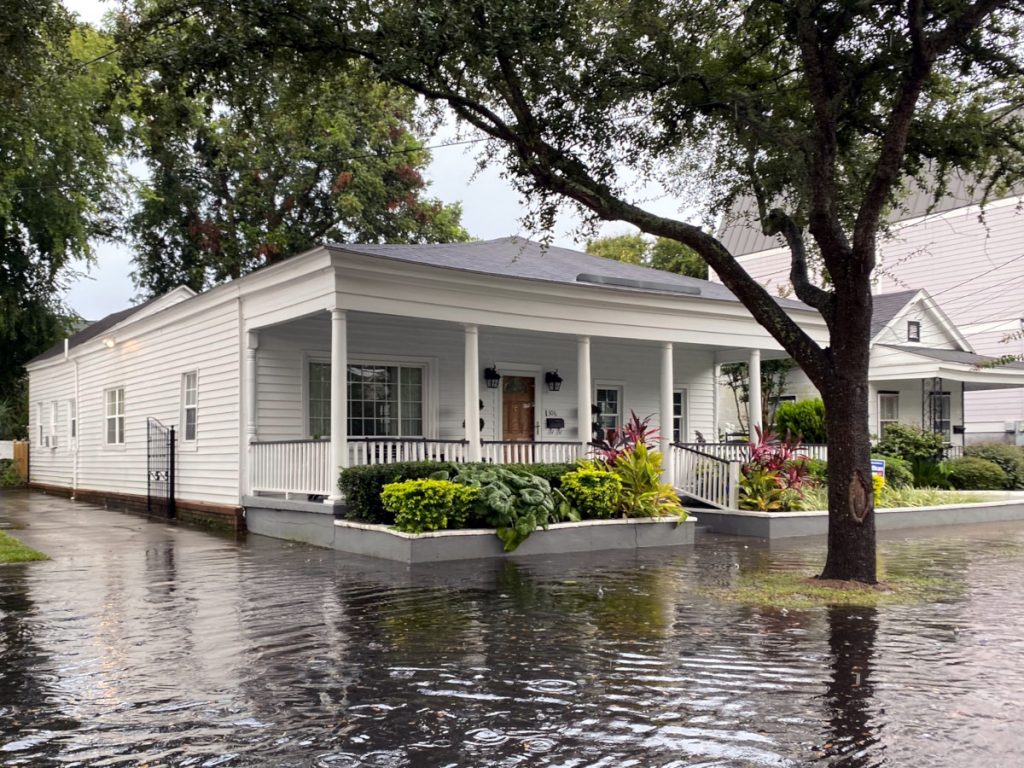
Once the mapped context is clear, I move from the map to the house itself. Two properties in the same flood zone can present very different questions because their occupied floors, foundations, lower enclosures, and mechanical equipment may sit at very different elevations.
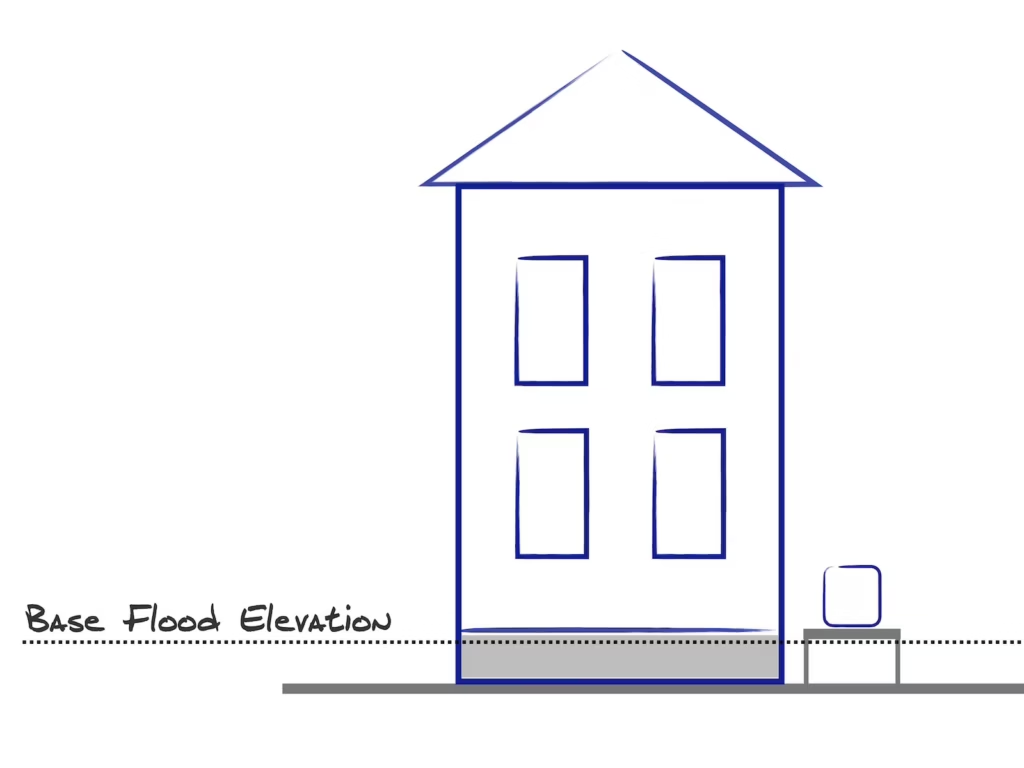
Base Flood Elevation is an important reference, but it is only part of the picture. What matters in practice is how the actual building relates to that elevation: where the first occupied floor begins, what sits below it, how the foundation is configured, and where vulnerable equipment is located.
Freeboard
Reading elevation
The house has its own vertical story
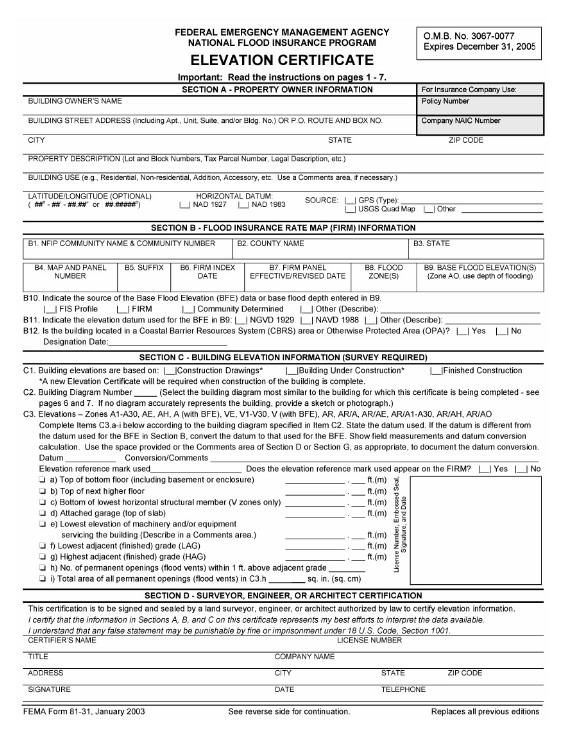
Elevation Certificates
Useful documentation, when it exists
Older Homes, Newer Standards
Charleston's housing stock spans centuries, and flood-related construction standards have changed substantially over time. A historic house that has occupied the same site for generations and a newer elevated home may sit in the same mapped zone while presenting very different questions about floors, foundations, enclosures, utilities, and future work.
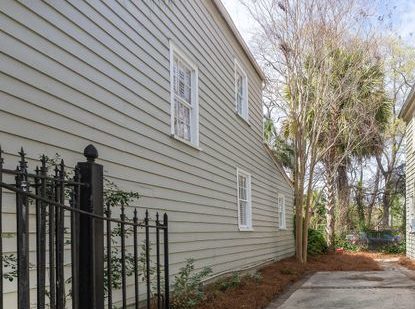
Older Construction
Existing conditions matter
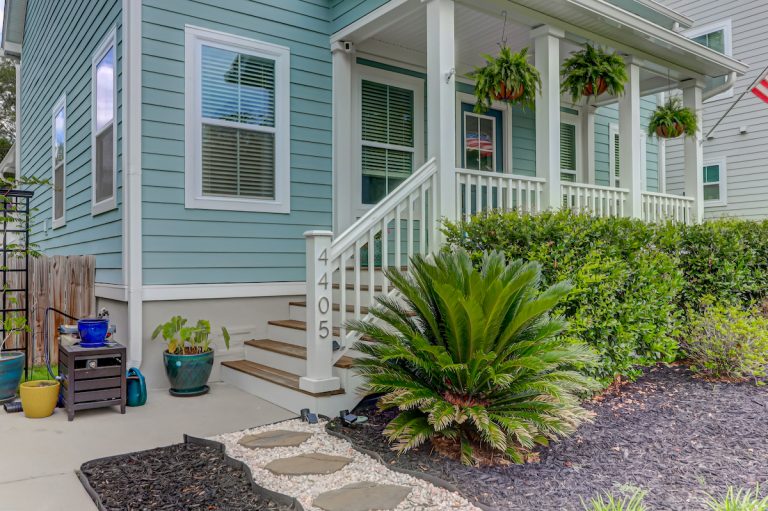
Newer Elevated Construction
Designed around newer rules
The construction history also matters when a buyer plans major renovations, because substantial work can trigger current floodplain requirements that did not apply when the house was originally built.
Property Improvements
Planning a Major Renovation?
A house may have been built under very different floodplain rules than the ones that apply today. If a renovation or repair becomes a “substantial improvement,” current floodplain requirements can become part of the project.
For a buyer considering a large renovation, I want this question on the table before plans and budgets harden. The right next step is usually to verify the property with the local floodplain or building office rather than assume the existing house can simply be remodeled in place.
City of Charleston floodplain development guidanceOnce I understand the map and the building, the next question is financial: what does it actually cost to insure this particular property, and what coverage are we buying?
03 / Coverage & cost
Insurance & Pricing
Flood insurance and homeowners insurance can both involve water damage, but they are not interchangeable. The cause of the water matters. A plumbing failure, roof leak, or wind-related opening is a different insurance problem from floodwater rising across normally dry land.
For a buyer, I am less interested in memorizing every coverage definition than in identifying which policy is expected to respond, what is actually covered, and whether a meaningful gap exists. The policy language and the specific cause of loss ultimately control.
The cause matters
Coverage boundary
What kind of water are we talking about?
The presence of water is not enough to tell us which policy applies. I want to know where it came from, how it entered the building, whether wind or another event contributed, and how the policies define the loss.
Homeowners / Wind
Flood
Flooding across normally dry land
For a buyer, the practical point is straightforward: flood coverage should be reviewed alongside the homeowners and wind policies, not assumed to be buried somewhere inside them. I want the boundaries between those policies understood before the property is underwritten—or the water arrives.
The Map and the Premium Answer Different Questions
Flood-zone maps remain important for hazard mapping, floodplain regulation, and determining when certain insurance requirements apply. They are no longer a shortcut for estimating what a particular NFIP policy should cost.
Under FEMA's Risk Rating 2.0 methodology, the NFIP looks more closely at the individual property: where it sits, how it is built, how high the first floor is, what it would cost to rebuild, and what coverage the owner chooses. Two houses carrying the same flood-zone designation can therefore produce very different premiums.
Flood Map
What mapped hazard applies here?
NFIP Premium
What does this individual property cost to insure?
What changes the price
That is why I am hesitant to ballpark a flood premium from the zone label – once a property becomes a serious candidate, I want an actual quote that's specific to the actual house.
Policy options
NFIP and Private Flood Insurance
The NFIP remains an important part of the Charleston flood-insurance market, but it is not the only place a buyer may obtain coverage. For many properties I want to see both the NFIP option and any credible private-market alternatives before treating the insurance cost as settled.
Private flood insurance is no longer limited to unusual coastal properties. Depending on the house and insurer, a private policy may offer different pricing, limits, deductibles, underwriting, or coverage terms. That does not make it automatically better; it makes it another real option to compare.
National Flood Insurance Program
NFIP
Private Flood Insurance
Private Market
When I Compare Quotes
Once the coverage and pricing are real numbers instead of assumptions, they can finally be put back where they belong: inside the decision about the property itself.
04 / Property evaluation
Due Diligence
Flood questions belong inside the property evaluation process, not at the end of underwriting and certainly not after closing. I want the important facts early enough to influence the offer, the due diligence period, the financing, and the buyer's expectations about long-term ownership.
My role is not to pronounce a property safe or unsafe from a flood map. It is to build a useful property file, identify what still needs verification, obtain realistic insurance information, and put those facts back into the larger decision about the house.
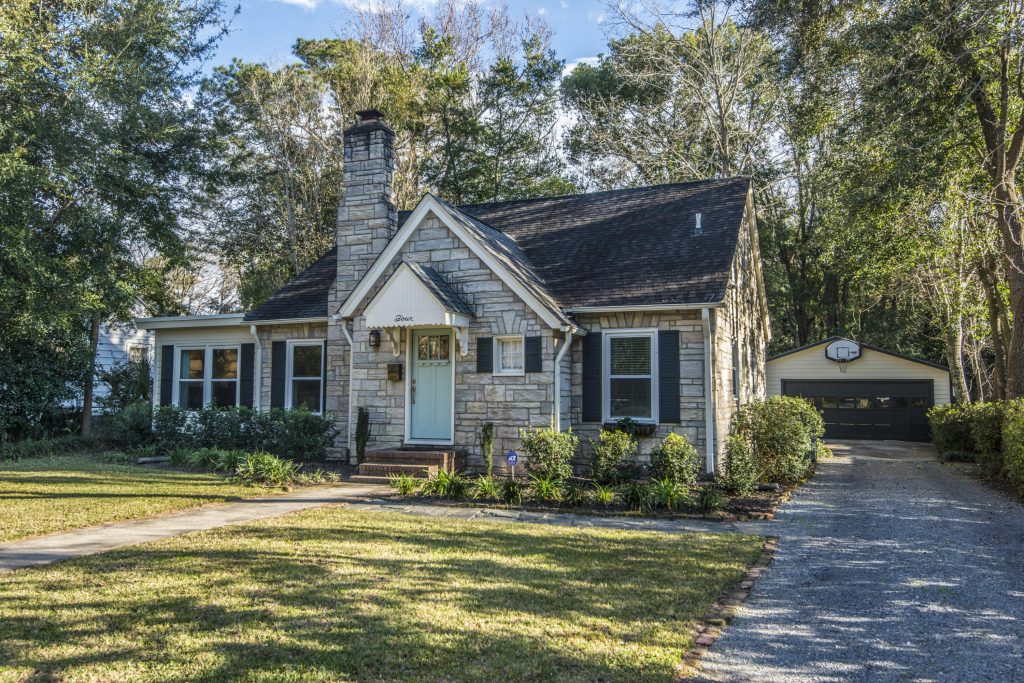
01
Before an offer
Screen early
02
Property file
Build the file
03
Insurance
Price the policy
04
Property decision
Put it back into the property decision
Condominiums
Buying a condo?
Association coverage
Unit-owner Exposure
One does not need to become a floodplain hydrologist in order to feel confident buying a home in Charleston. We just get the relevant facts early enough to matter, understand what still needs verification, and decide whether the property makes sense with those facts included.
Property buying guidance
Evaluating a property?
If a Charleston-area property has a flood zone designation, elevation question, unusual construction, or insurance quote that deserves a closer look, I can help put those pieces into the larger property decision.