Charleston Livability Field Guide
Flood Insurance in Charleston
How flood zones, elevation, and insurance costs shape the decision to buy a home in Charleston.
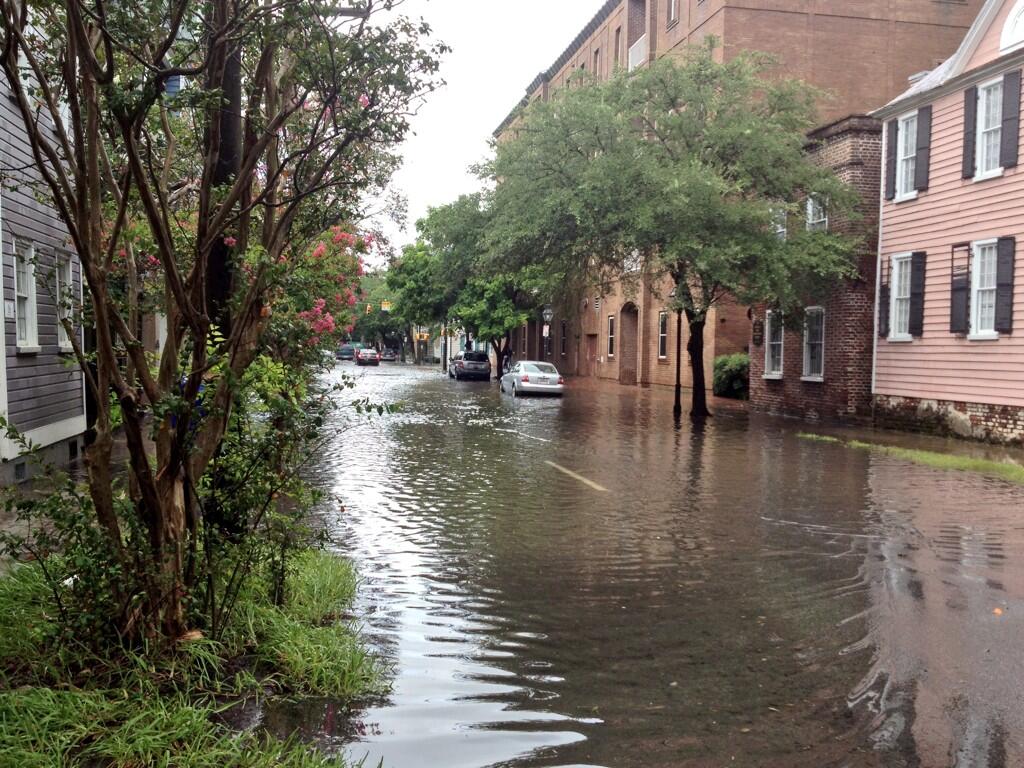
Owning property in the South Carolina Lowcountry means having a conversation about stormwater. Charleston is coastal, low-lying, and built around rivers, creeks, marshes, and drainage systems that are all fed by subtropical weather systems.
That conversation is often misunderstood, occasionally overblown, and sometimes dismissed when it shouldn't be. I consider flood risk and insurance for every property my clients evaluate – not because every home floods, but because every property deserves a fresh round of due diligence.
What flood insurance covers
Insurance Limits
During your ownership of a home in Charleston or anywhere around the Lowcountry, water damage is something you will have to deal with at some point. Windstorm damage, a burst pipe upstairs, rainwater pouring from the chimney – none of it is good, but most of it can be relieved by an homeowners insurance deductible.
Flood insurance exists for the narrower problem those policies generally exclude: rising water moving in from outside. When the cause of the damage is also the topic of the day on The Weather Channel, you are probably in flood policy territory.
Same water.
Different policy.
Coverage boundary
Most water claims are not flood claims
The presence of water is not the deciding fact. The cause of the water, and how it entered the house, is where the policy conversation begins.
Usually homeowners or wind coverage
Flood Insurance Coverage
Rising water.
From the outside.
Street flooding, rising stormwater, tidal water, creek overflow, and storm surge are the flood-insurance problem.
Flood insurance is independent of homeowners insurance. It is not a rider tucked onto the homeowners policy – it answers a completely different cause of loss.
It is best to understand the distinction before the event in question.
Property evaluation
Assess the Risk
When we are evaluating flood risk for a property, the goal is not to assign a verdict from a map. What we are aiming to understand is how the actual structure overlays onto the mapped hazards (flood zone maps), and those affect the actual costs of insurance coverage.
Flood zones and elevation answer different parts of that question. The zone tells me what kind of mapped condition I’m starting with; the structure tells me how seriously to take it.
Flood Zones
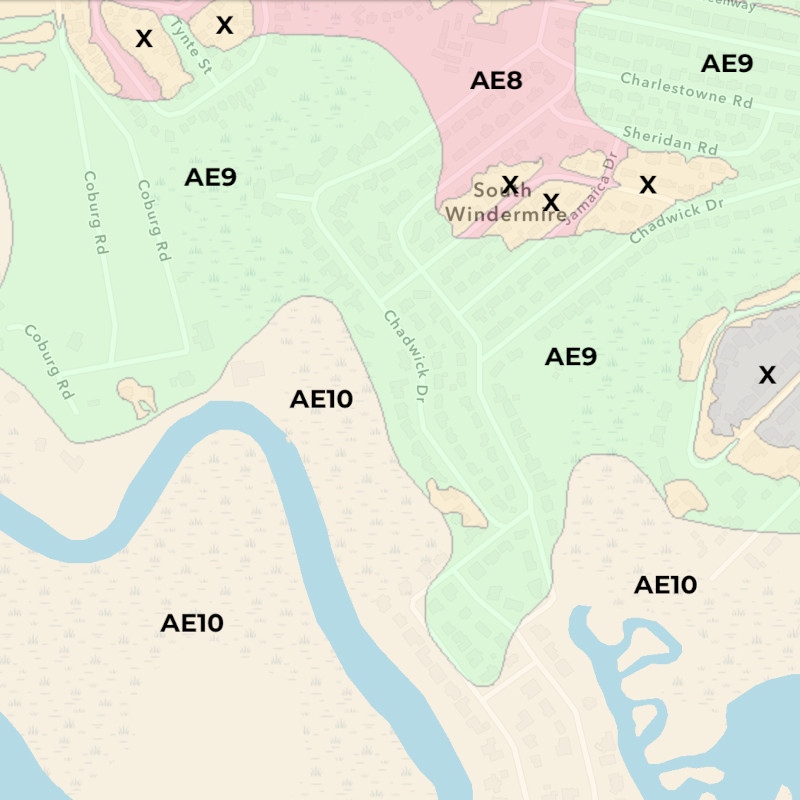
The flood map is where I start because it usually tells me whether a lender will require coverage. It does not tell me whether the house is well elevated, how the drainage behaves, or whether the premium is sensible.

Zone X
Lower mapped hazard
Zone AE
Higher risk area with a mapped BFE

Zone VE
Coastal high risk area with wave action
Reading the structure
Elevation
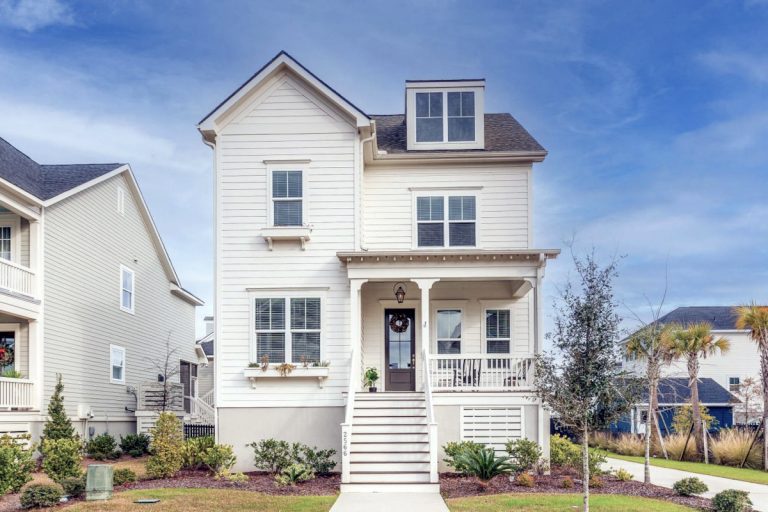
Once we know about the area and its flood zones, we move from the map to the house itself. Two homes in the same AE zone can present very different risk profiles because their lowest floors, foundations, enclosures, and mechanical equipment sit at different heights.
The useful comparison is the structure’s relationship to the Base Flood Elevation, not just the zone label by itself.
Every inch matters – literally.
Base Flood Elevation
Above
At/Near
Below
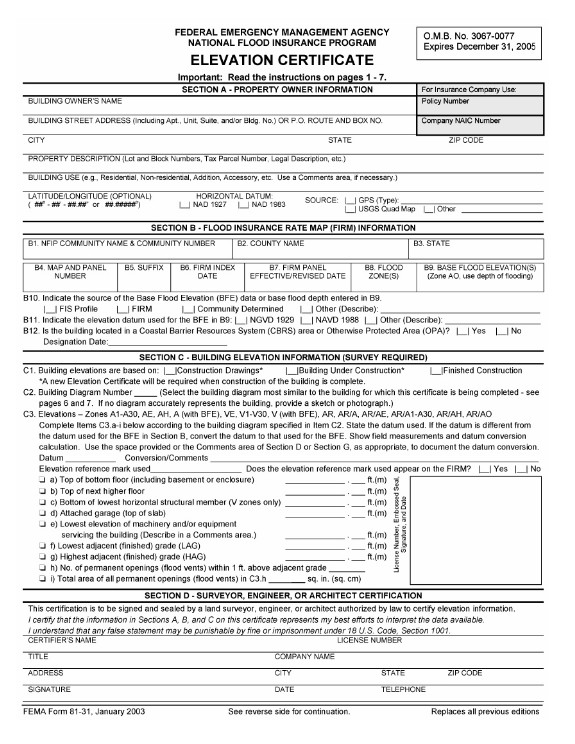
The elevation certificate documents the relationship of the structure to the mapped flood elevation around it
Insurance market
Private Market Policies
For many transactions, the NFIP gives me the familiar baseline: a federal flood policy structure lenders understand and insurance agents can quote the premium to the penny. They are even assumable.
Private market flood policies have long provided options for homes that don't fit into the typical residential profile – around here that mostly means coastal beach properties. Non-NFIP insurance carriers have in recent years become more competitive with their government-backed counterparts, which I suppose was the general idea all along.
Similar coverage, different system
Familiar baseline
NFIP
Same property file
Another quote worth obtaining
Private Market
Private policies may price the same house differently, offer different limits, or use underwriting that fits the property better.
Broker performance
During the Transaction
Calculating flood risk belongs inside the due diligence process – not in the final document prep. Or worse, after the floors are wet.
My job involves surfacing the right questions and information early enough to shape the next decisions – the offer, due diligence period, financing procedure, closing costs, and ongoing ownership costs.
Earlier is far less stressful
1
Before an offer
Screen early
2
Due Diligence
Build the file
3
Coverage
Price the Policy
4
Final decision
Simplify & Align
One does not need to become a floodplain hydrologist in order to feel confident when buying a home in Charleston. The buyer just needs the relevant facts early enough to matter, and enough guidance to understand what flood insurance means for the long term ownership of their home.
Property buying guidance
Work with Bryan
What works best is reading the zone, verifying the elevation, pricing the insurance, and deciding whether the risk fits the property before the decision becomes emotional.